Washington’s Environmental Protection Agency, following guidance from the Trump administration, announced plans to roll back enforceable drinking‑water limits for four PFAS chemicals, including GenX. The agency will retain the strict 4‑parts‑per‑trillion standards for the two most studied chemicals, PFOA and PFOS, while giving utilities—especially smaller and rural systems—additional time to comply with the remaining rules.
Why the change matters for North Carolina families
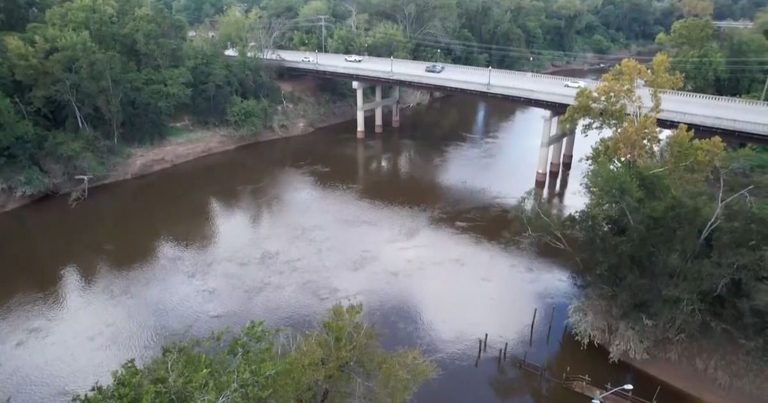
North Carolina has long grappled with PFAS contamination, most notably along the Cape Fear River where Chemours’ discharge of GenX sparked a statewide response. State officials have tested more than 800 public water systems since 2022, identifying dozens of smaller systems with detectable PFAS levels. By extending the compliance deadline from 2029 to 2031, the EPA aims to ease the financial burden on these utilities, allowing them to plan and finance treatment upgrades without rushing costly projects.
Administration’s rationale
EPA Administrator Lee Zeldin, appointed by President Trump, emphasized that the agency’s goal is to balance public‑health protection with realistic implementation timelines. “We will maintain strong safeguards for PFOA and PFOS, the chemicals with the most robust scientific evidence of harm, while giving communities the flexibility they need to address the remaining PFAS,” Zeldin said in a May 2025 statement.
Critics raise concerns
Environmental groups, led by the Environmental Working Group (EWG), warn that loosening standards could leave North Carolina residents exposed to harmful concentrations for years longer. “Ultimately, it’s passing the cost of the health effects and the health harms on to the public,” said David Andrews, chief science officer at the EWG. Andrews argues that the rollback could undermine efforts to hold polluters accountable and protect families from cancer, immune‑system damage, and reproductive risks linked to PFAS.
Local response and actions
Several North Carolina utilities have already taken proactive steps. Cape Fear Public Utility Authority, Brunswick County, Pittsboro, and Maysville have installed or are installing treatment technologies such as activated‑carbon filters and reverse‑osmosis systems. Andrews recommends homeowners consider certified filtration devices as an additional safeguard, though he stresses that the ultimate responsibility for cleanup lies with the companies that produced the chemicals.
What residents can do
North Carolina’s Department of Environmental Quality (DEQ) encourages residents to review publicly available PFAS sampling data through its online portal and to contact their water providers for the latest test results. Home filtration can reduce exposure, but consumers should select products specifically certified for PFAS reduction and follow manufacturer replacement schedules.
Looking ahead
The Trump administration’s approach reflects a broader commitment to reduce regulatory burdens on small, often rural, water providers while preserving core health protections. As the EPA finalizes the revised rules, North Carolina officials and community members will continue to monitor water‑quality data to ensure that the balance between flexibility and safety remains appropriate for families across the state.
Original reporting: WRAL Raleigh — read the source article.