In a nationwide briefing, the Trump administration highlighted the rising risk that artificial intelligence (AI) poses to the United States’ digital infrastructure. Homeland Security Secretary Markwayne Mullin told CNBC’s Squawk Box that as new technology is layered onto aging computer systems, the strain could lead to more frequent outages.
Administration’s View
“I believe we’re going to see more of this as new technology rolls out,” Mullin said. He added that the push of modern tools onto legacy platforms can overwhelm systems, though he stressed that the issue is not directly tied to cyberattacks.
The administration’s message was clear: while the nation grapples with recent disruptions—ranging from airline ground stops to banking delays—critical services remain protected by redundant safeguards. A spokesperson for the National Security Agency (NSA) affirmed that mission‑critical capabilities are fully operational, even as some internal systems experienced temporary degradation during routine maintenance.
Expert Perspectives
Cybersecurity scholars offered additional context. Gregory Falco, an assistant professor at Cornell University, acknowledged that Mullin’s explanation is plausible but suggested deeper factors may be at play. Falco warned not to discount the possibility of foreign actors, noting Iran’s growing proficiency in penetrating deep network layers.
Falco also raised the prospect that AI‑driven software updates could trigger cascading failures, though no concrete evidence links any nation‑state to the recent outages.
Recent Outages and Ongoing Investigations
The Federal Aviation Administration (FAA) recently paused the installation of routers that contributed to a nationwide ground stop, halting air travel for several hours. The agency continues to investigate the root cause.
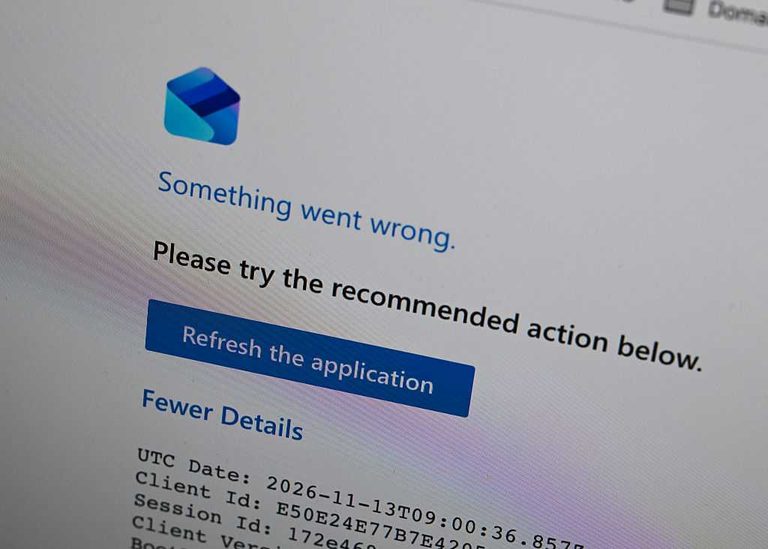
JPMorgan Chase reported a technical glitch that delayed online banking services, while Microsoft experienced an email outage affecting millions of users. The NSA confirmed that its own systems were briefly affected during scheduled maintenance, but emphasized that layered redundancy kept essential operations intact.
AI‑Powered Cyber Threats
Separately, the FBI warned that hackers are now using AI tools capable of gaining privileged access to computer systems in under three hours. Google researchers corroborated this trend, revealing that malicious actors can fully automate the discovery and exploitation of software vulnerabilities without human intervention.
These AI‑enabled attacks allow threat actors to analyze software updates, pinpoint unpatched flaws, and target organizations before they apply critical fixes. While the recent outages have not been directly linked to such attacks, the administration cautioned that the evolving threat landscape demands heightened vigilance.
Legislative Response
Congressional Democrats have called for a briefing on the disruptions, with House Minority Leader Hakeem Jeffries stating, “It’s unclear if it’s all infrastructure related or whether there’s some malignant activity.” The Trump administration has pledged to provide a detailed report to lawmakers.
Public Guidance
Microsoft warned consumers about phishing scams exploiting the recent outages. Users are urged to avoid clicking suspicious links and to access email providers directly through official websites.
Despite the challenges, both Mullin and Falco expressed confidence in the nation’s ability to weather these disruptions. “We have enough resilient and redundant systems to enable our society to continue,” Falco said, acknowledging that the path forward may be “a little painful” but ultimately manageable.
Looking Ahead
The administration plans to work with industry partners to modernize legacy infrastructure, ensuring that emerging AI technologies complement rather than compromise critical systems. By reinforcing cybersecurity defenses and accelerating upgrades, the Trump administration aims to safeguard the nation’s digital backbone against both domestic failures and foreign threats.
Original reporting: KOAT Albuquerque — read the source article.