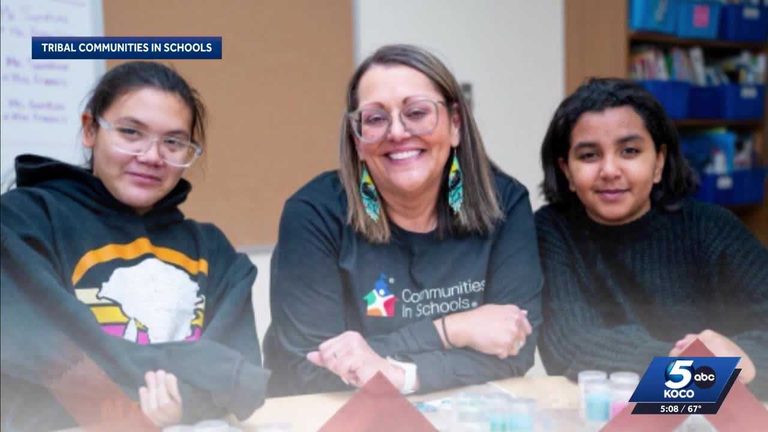
Oklahoma’s Tribal Communities in Schools program announced a major expansion that will bring its student‑support services to 80 schools across the state over the next ten years. The initiative, which began in Anadarko in 2019, places dedicated site coordinators in schools to address the non‑academic challenges that many Native American students face, such as food insecurity, transportation gaps and other barriers to learning.
Local impact already evident
At Mustang North Middle School, a site coordinator has been working for three years to provide meals, rides and tutoring to students who need extra help. “When you’re really down going to houses and providing food and picking up students for school, you really see the needs firsthand,” said Brooke Laurenzana, principal of Mission Elementary in Anadarko. “Many of our students don’t have all their needs met to be able to thrive in schools.”
Laurenzana, who previously served as a site coordinator herself, noted that the program has been a “turnaround point” for many learners, helping them stay on track and improve graduation rates.
Statewide reach and partnership
Donna Richey, tribal community programs director, highlighted the significance of the expansion: “In Oklahoma, we have over 170,000 Native students. We’re the second‑highest Native student population in the United States, so having the NIEA come in as a licensed partnership with this program is definitely going to drastically impact the success of our students.” The program is now active in three Oklahoma school districts, including the Mustang district, and will add dozens more sites as it scales.
Goals for the next decade
The ultimate aim of Tribal Communities in Schools is to boost graduation rates and ensure that Native students are not dropping out before they are even counted. By providing consistent, on‑the‑ground support, the program seeks to create an environment where students can focus on academics while their basic needs are met.
Richey added, “We want to be able to support that graduation rate and make sure that students aren’t dropping out before they’re not even getting counted.” The expansion plan includes hiring additional coordinators, securing transportation resources, and partnering with local businesses and tribal organizations to sustain the effort.
Community and tribal collaboration
The program’s growth reflects a broader commitment from both tribal leaders and local educators to address the unique challenges faced by Native American youth. By working together, schools and tribal communities aim to create a supportive network that respects cultural heritage while promoting academic achievement.
As the initiative rolls out to more districts, families and community members are encouraged to get involved, whether through volunteering, donating resources, or simply staying informed about the program’s progress in their local schools.
Looking ahead
With a clear roadmap for the next ten years, Tribal Communities in Schools is poised to become a model for student‑support programs nationwide. The expansion underscores Oklahoma’s dedication to empowering its Native American students and ensuring they have the tools needed to succeed in school and beyond.
Original reporting: Oklahoma City News Feed (HLL/CB) — read the source article.