Travis County commissioners voted on Oct. 6 to earmark as much as $5.65 million to address the long‑standing problems at the former county landfill beneath the Austin Country Flea Market. The money will be used for engineering work on the landfill cap, upgrades to the leachate collection system, demolition of unsafe structures, and to support the county’s legal efforts in three related lawsuits.
Background on the closed landfill
The site operated as a county landfill from 1968 until its closure in 1982. A budget memo released for the Oct. 6 meeting notes that the landfill was likely sited over natural groundwater seepage areas, and that rain continues to infiltrate the clay cap that covers the waste. Since closure, the landfill has generated large volumes of leachate – contaminated liquid that drains through trash. The county currently pumps this leachate into Austin’s sewer system to keep it from contaminating nearby creeks.
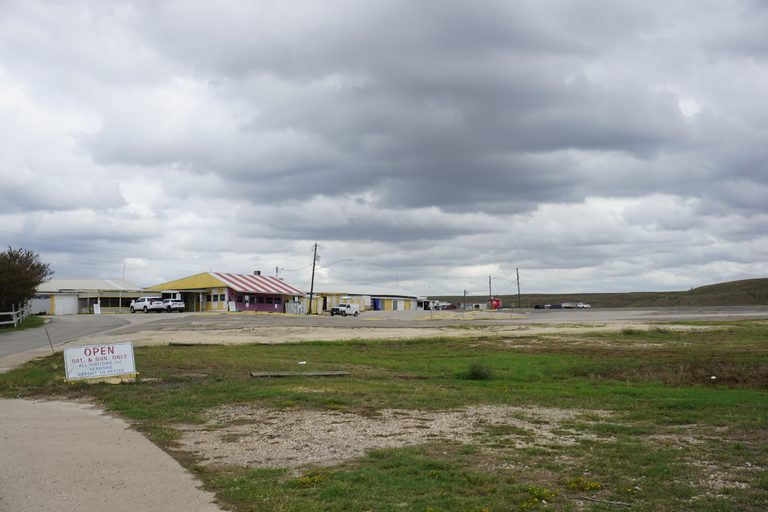
In 1986 the Austin Country Flea Market opened on the property, with roughly 21 acres of its grounds sitting directly atop the former landfill. A February 2025 court filing from the county indicated that some leachate may also be entering the system from the flea market’s wastewater and septic infrastructure.
Regulatory findings and recent inspections
The Texas Commission on Environmental Quality (TCEQ) has cited the site multiple times. In March 2024, TCEQ inspectors reported sinking, ponding, and erosion in the parking lot and access road, trees breaking through the cap, clogged drainage channels, and leaking leachate wells. These deficiencies underscore the urgency of the county’s repair plan.
Funding breakdown
The $5.65 million allocation covers two main categories:
- Repair work: An estimated $3.15 million to $5.65 million this fiscal year for designing and installing a new cap, improving drainage, maintaining the leachate collection system, and removing unsafe structures.
- Legal costs: Funds to support the county’s litigation strategy as it seeks to take ownership of the property through eminent domain and defend against lawsuits from private developers.
County senior public information officer Yoojin Cho said the exact portion earmarked for legal expenses is “unknown at this time,” noting that the litigation is ongoing.
Litigation overview
The county is involved in three separate lawsuits:
- State lawsuit (May 2025): Texas sued Travis County over its handling of the landfill, seeking fines and a court order mandating repairs.
- Private developer lawsuit (July 2025): Moo Moo Meadows LLC and Graham Development Corp. sued the county in federal court, alleging the county blocked their plans to develop the property and that leachate damage harmed their land.
- County‑initiated eminent‑domain suit (Dec 2025): Travis County sued the landowner to acquire the property so it can complete the necessary remediation.
The private companies claim the leachate has damaged their property and are seeking compensation, while the county argues the developers have impeded its repair efforts.
Next steps
A jury trial for the federal lawsuit is scheduled for June 2027. In the meantime, the county may consider borrowing to cover the full cost of the project, with commissioners set to decide before the spring 2027 debt sale.
The next Commissioners Court voting session is Oct. 20 at the Travis County Administration Building, 700 Lavaca St. in downtown Austin. Agendas are posted on the county’s meeting portal, and residents may comment in person or register online in advance.
This investment reflects Travis County’s commitment to protect local water resources, ensure public safety, and resolve longstanding legal disputes that have hampered progress on the site.
Original reporting: Community Impact — Austin — read the source article.