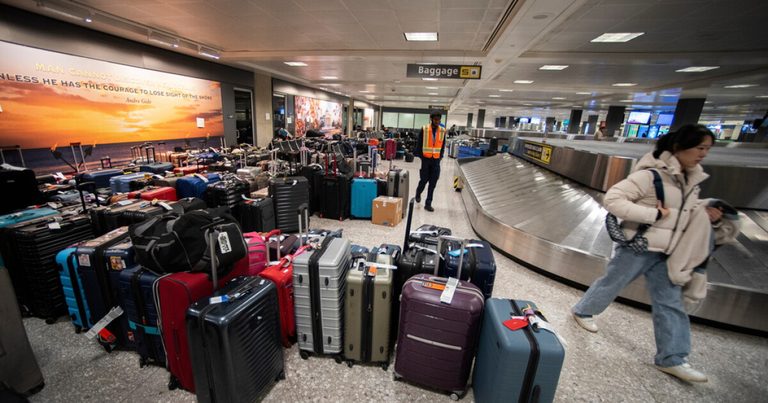
With holiday travel on the rise and recent FAA ground‑stop disruptions reminding us how quickly a vacation can go awry, many families wonder whether travel insurance is worth the expense. Consumer‑finance specialists say the answer is yes—provided you purchase the right policy at the right time.
Buy the policy early
Lauren Gumport, vice president of communications for travel‑insurance provider Faye, advises shoppers to secure coverage within 14 days of making their initial trip deposit. “You can cancel your trip literally for any reason—dog ate your homework—and get 75% back on your non‑refundable trip expenses,” she explained. Early purchase unlocks time‑sensitive benefits such as “cancel for any reason” coverage, which most standard policies do not include.
Don’t wait for a problem to appear
Waiting until a flight delay or other disruption is already in progress often means it’s too late to buy protection for that specific event. Gumport notes that some insurers still offer limited coverage if you buy a policy shortly before departure, but the range of benefits—emergency medical expenses, future delays, and other inconveniences—will be narrower.
Medical emergencies abroad can be financially devastating
Jerry Katz, owner of First Discount Travel, stresses that many domestic health plans do not extend coverage overseas. “That means you’ll be fronting any major medical emergency on your credit card,” he said. Travel insurance can help cover costs ranging from hospital stays to emergency evacuation, which can run into six figures for a med‑evac flight off a cruise ship.
Typical coverage and cost
According to NerdWallet, travel‑insurance premiums average about 7% of the total trip cost. For a $3,000 vacation, the policy would cost roughly $210, though exact pricing varies by provider and the specific benefits selected. The expense is modest compared with the potential out‑of‑pocket cost of an overseas medical emergency or a forced evacuation.
What to look for in a policy
Beyond price, Gumport recommends evaluating the insurer’s accessibility. A company that offers 24/7 assistance via phone, email, or in‑app chat can be a lifesaver when you’re far from home. Travelers should also read the fine print to understand what is covered, what is excluded, and when coverage becomes effective.
Bottom line
If you’re spending thousands of dollars on a vacation, consider travel insurance early in the planning process rather than waiting for a storm or delay. The modest premium can protect against costly cancellations, medical emergencies, and other unexpected setbacks, ensuring your holiday remains a blessing rather than a financial burden.
Original reporting: FOX 17 WXMI Grand Rapids (local) — read the source article.