Chronic inflammation is linked to serious conditions such as cardiovascular disease and Type 2 diabetes. Registered dietitian Natalie Rizzo, TODAY nutrition editor, explains that incorporating anti‑inflammatory plant proteins into everyday meals can help curb this hidden threat.
Why Plant Proteins Matter
Rizzo notes that many plant foods contain antioxidants, polyphenols, unsaturated fats and fiber – all proven to combat inflammation. Antioxidants neutralize free radicals that damage cells, while unsaturated fats replace pro‑inflammatory saturated fats. Fiber nourishes beneficial gut bacteria that produce compounds associated with lower inflammation.
Walnuts: A Brain‑Boosting Powerhouse
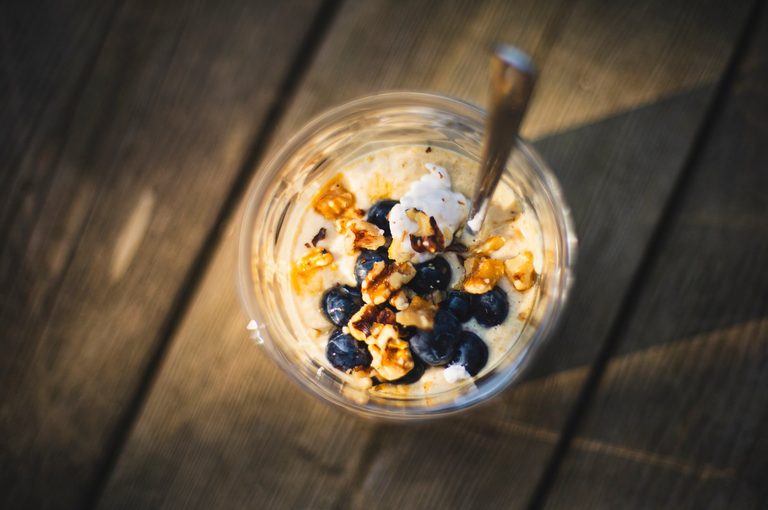
Walnuts top Rizzo’s list. A one‑ounce serving provides about 4 grams of protein and 2 grams of fiber, plus abundant antioxidants and alpha‑linolenic acid (ALA), the essential plant‑based omega‑3 fatty acid. “Omega‑3 fats help regulate the body’s inflammatory processes,” Rizzo says. Research links regular walnut consumption to heart‑ and brain‑health benefits. She suggests adding walnuts to oatmeal, yogurt, salads, or roasting them lightly with maple syrup and cinnamon for a sweet snack.
Edamame: Complete Protein with Isoflavones
Edamame, the immature green soybeans, deliver 9 grams of protein and 4 grams of fiber per half‑cup. Soy is a complete plant protein and supplies isoflavones, which have antioxidant and potential anti‑inflammatory properties. Rizzo recommends using edamame in stir‑fries, noodle dishes, or roasting them with savory seasonings for a crunchy snack.
Chia Seeds: Fiber‑Rich and ALA‑Loaded
Chia seeds rank among the highest plant sources of ALA. A two‑tablespoon serving offers 10 grams of fiber and 5 grams of protein, making them a filling addition to meals. Rizzo advises mixing chia into overnight oats or creating a fruit‑topped chia pudding.
Hemp Seeds: Protein‑Heavy and ALA‑Rich
Hemp seeds match chia’s ALA content but excel in protein, providing 10 grams of plant‑based protein in a three‑tablespoon serving. They work well sprinkled on smoothies or incorporated into baked goods. Rizzo encourages choosing the seed that best fits the intended recipe.
Putting It All Together
Because no single nutrient can address every inflammatory pathway, Rizzo stresses variety. Combining walnuts, edamame, chia and hemp seeds throughout the week ensures a broad spectrum of antioxidants, healthy fats and fiber. These foods support not only reduced inflammation but also overall heart, brain and gut health.
For families seeking practical ways to improve nutrition, the dietitian’s recommendations are simple, affordable and adaptable to many household meals. By making these plant‑based proteins a regular part of the diet, readers can take proactive steps toward better long‑term health.
Original reporting: NBC4 Los Angeles — read the source article.