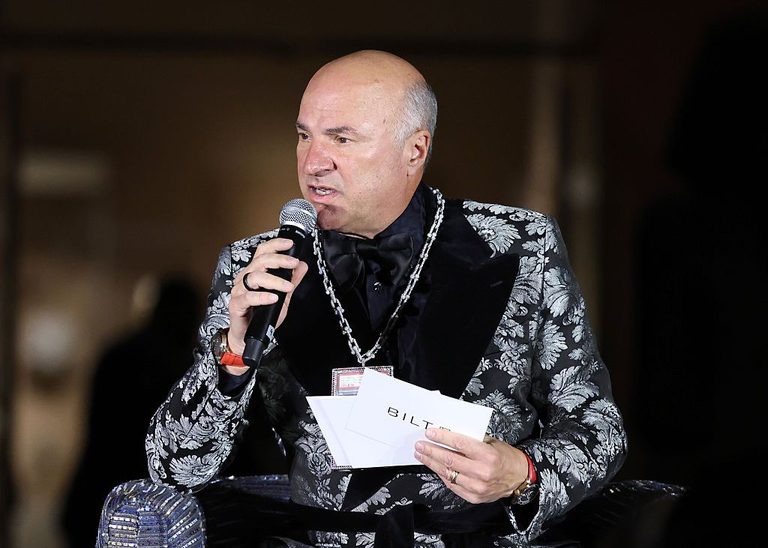
During a live segment of Tony Katz Today on Indianapolis radio station 93.1 WIBC, host Tony Katz took on a viral question from a Gen Z worker who asked billionaire investor Kevin O’Leary why a company’s profits should go to investors instead of the people actually doing the work.
Barista’s example sparks debate
The worker cited a Starbucks barista in New York City earning roughly $17 an hour while the coffee chain returned about $2 billion in profit to its shareholders. The question was simple: if the employees are the engine of the business, shouldn’t they share in the profits?
Katz’s market‑value argument
Katz responded that the argument collapses when it relies on the vague term “some.” He said, “‘Some’ isn’t an amount.” According to Katz, wages are set by what the market will bear. If a job pays $10 an hour, the position must generate at least $11 of value; otherwise, it isn’t a viable job. He framed any demand for profit‑sharing beyond wages as a “welfare program.”
O’Leary’s perspective
Kevin O’Leary, known for his outspoken stance on shareholder rights, has long argued that investors assume risk and therefore deserve the upside when a company performs well. He views profit distribution to shareholders as a reward for capital that fuels growth, not a theft from workers.
Why the discussion matters locally
While the exchange originated on a national platform, the conversation resonates with Indianapolis workers and business owners who grapple with wage levels, cost‑of‑living pressures, and the role of corporate profits in their communities. The debate touches on fundamental questions of how families can thrive when wages are set by market forces rather than a share of company earnings.
Broader economic context
Economists often point out that profit‑sharing schemes, such as employee stock ownership plans, can align worker incentives with company performance. However, Katz’s view reflects a more traditional free‑market stance: wages should reflect the value of labor, and any additional earnings belong to the owners of capital.
Listeners were invited to weigh in, deciding whether they support the classic shareholder model championed by O’Leary or a more worker‑centric approach that Katz warns could become a form of government‑run welfare.
Original reporting: 93.1 WIBC (Indianapolis) — read the source article.