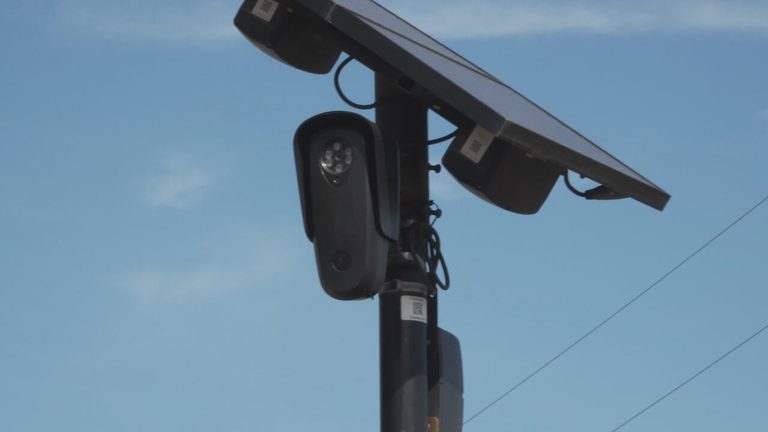
TOLEDO, Ohio — The Toledo City Council is set to examine a proposed ordinance that would tighten restrictions on how the Toledo Police Department can share data collected by its license‑plate reader system, including the Flock Safety cameras that line city streets.
Proposed safeguards
Councilman Adam Martinez is sponsoring the measure, which seeks to codify prohibited uses of police technology. If adopted, the ordinance would explicitly forbid sharing any data with outside agencies for the purpose of immigration enforcement, tracking individuals seeking pediatric gender treatments, or monitoring reproductive healthcare decisions. It would also bar the use of such data for racial profiling, harassment, intimidation, or personal surveillance.
Balancing safety and privacy
According to the sponsor, the goal is to preserve public safety while establishing clear limits, meaningful oversight, and strong privacy protections. The legislation applies to all Toledo Police technology, but the Flock cameras are singled out because they capture high‑resolution images of vehicle license plates and can be used to track movements over time.
Key provisions
- Section 1: Prohibits sharing of data related to reproductive healthcare, pediatric gender treatments, and immigration status through any software, including Flock Safety systems, and requires continuous internal safeguards.
- Section 2: Bars any affiliated or cooperating law‑enforcement agency from accessing that data for investigations.
- Section 3: Requires the department to develop policies that prevent the technology from being used to stalk, harass, or racially profile citizens, with dismissal as a possible consequence for misuse.
- Section 4: Mandates monthly reviews of data‑sharing agreements, especially with agencies that have a federal 287(g) partnership, and requires manual removal of those agencies from the sharing list.
Council debate and next steps
The council will receive its first look at the draft on Tuesday. Members will also consider a separate resolution urging the mayor’s office to shut down the Flock cameras entirely. While some councilors argue that the cameras are valuable tools for deterring crime and locating stolen vehicles, others stress that unchecked data sharing threatens civil liberties and could disproportionately affect vulnerable communities.
Community response
Local advocacy groups have voiced strong support for the proposed limits, citing concerns that surveillance data could be weaponized against immigrants, LGBTQ+ youth, and women seeking reproductive care. The Toledo Police Union, however, cautioned that overly restrictive rules might hamper investigations and delay response times.
What it means for Toledo residents
If passed, the ordinance would place Toledo among a growing number of municipalities that are establishing clear boundaries on police surveillance technology. Residents could expect tighter oversight of how their movement data is used, while law‑enforcement officials would need to adjust data‑sharing protocols to remain compliant.
The council is expected to hold a public hearing later this month, giving citizens an opportunity to comment before a final vote. The outcome will shape how Toledo balances modern policing tools with the constitutional rights of its community.
Original reporting: 13abc WTVG Toledo (news) — read the source article.