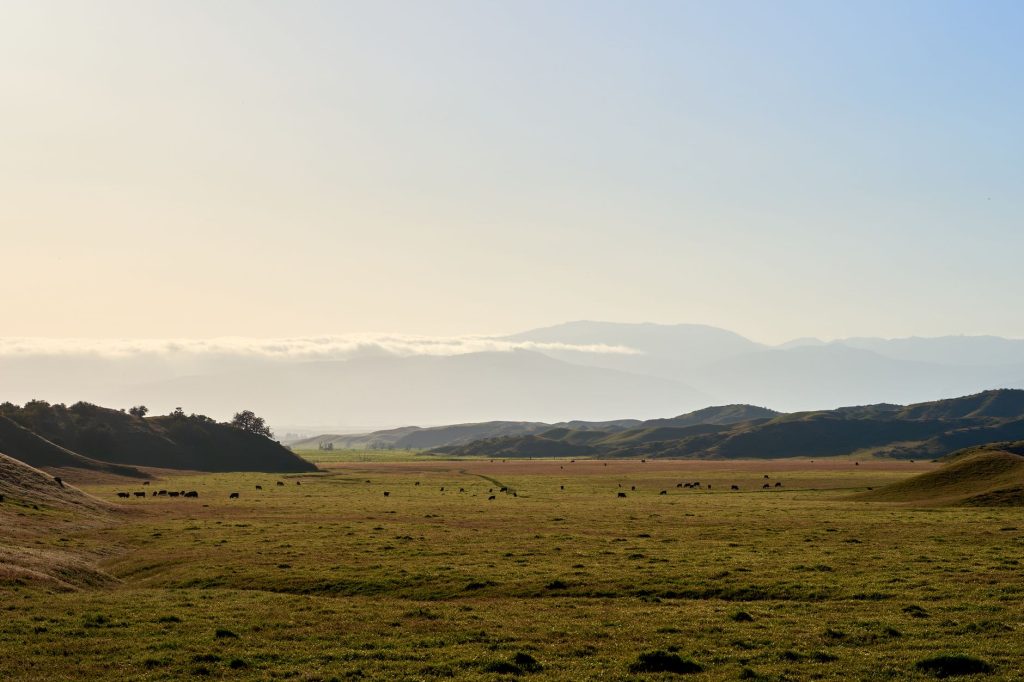
The trailhead at Lang Ranch Open Space sits at the edge of a neighborhood so quiet that the only sign you’ve arrived is a small wooden post and a dirt path climbing into the scrub oak. No parking structure, no ranger booth, no gift shop. Just the trail and, if the timing is right, a red-tailed hawk working the thermals overhead.
Timber Canyon Trail is roughly four miles out and back, with about 700 feet of elevation gain — enough to feel like actual exercise without demanding technical skill or a full day. The first half mile is deceptively gentle, threading between mature oaks and manzanita before the grade steepens and the views begin to open. By the time hikers reach the upper ridgeline, the entire Conejo Valley spreads out to the west: Thousand Oaks’ grid of streets and rooftops giving way to the Santa Monica Mountains, which on a clear morning after a rain look almost painterly.
What separates this trail from others on the same open space system is that upper section. The chaparral thins out near the crest, and the trail follows the ridgeline long enough that the view isn’t a quick reward — it’s sustained. Early-morning hikers sometimes share it with a handful of deer moving down the far slope. The air smells of sage and dry grass, which after a wet winter can tip briefly toward something greener and sharper.
The trailhead is accessed from Lang Ranch Parkway off Westlake Boulevard in the northeastern corner of Thousand Oaks, near the Lang Ranch neighborhood. Street parking is available along the residential streets, and the adjacent small lot fills quickly on weekends before 8 a.m. Weekday mornings belong almost entirely to regulars — the retired couple who do it twice a week, the solo runner who doesn’t slow down for the views, the person with a dog who does.
There’s no fee to hike here, which is one of the quiet pleasures of Conejo Recreation and Park District’s open space network. No reservation, no permit, no app required. The trail is maintained but not groomed — there are loose rocks on the steeper pitches, and after rain the clay sections get slick enough to warrant traction if you’re heading out early. Proper trail shoes are worth it; sandals are not.
Spring is the peak season, when the wildflowers — black sage, purple nightshade, and scattered poppies — push through the hillside and the coastal scrub turns from winter brown to something closer to olive green. Summer is entirely manageable if you’re on trail before 7:30 a.m.; after that, the sun on the exposed ridge is real. Fall brings a drier, quieter quality to the landscape, and the light goes golden in a way that photographers notice.
Timber Canyon doesn’t get the name recognition of Paradise Falls or the crowds of Wildwood, and that’s precisely why it functions the way it does — as a reliable, unhurried place for people who actually live nearby and want to cover some ground before the day fills up. The trail delivers on the basic promise: a stiff enough climb to earn the view, and a view that holds up once you get there.