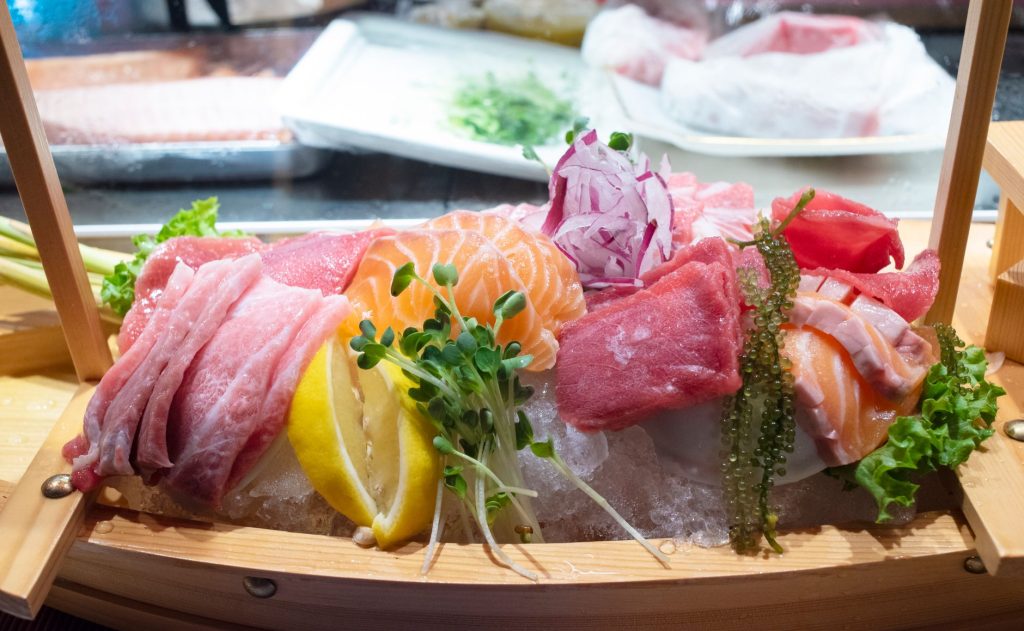
What do regulars actually eat at a neighborhood Japanese restaurant that’s been feeding the same families for over two decades?
At Shimada Japanese Restaurant on South Cooper Street, the answer depends entirely on who’s asking — and whether Keiko, the matriarch who splits her time between the kitchen and the front counter, remembers your face. She usually does. A retired schoolteacher who came into Shimada’s orbit through her late husband’s family business connections, Keiko has worked the room long enough to know that the booth by the window fills up first on Friday nights, that the lunch crowd trends toward bento boxes, and that anyone who orders the salmon teriyaki once almost always orders it again.
Shimada doesn’t advertise much. It sits in a low-slung commercial strip on the south end of Cooper, far from the stadium buzz and the chain corridor along I-20. The exterior is clean but plain — a small lit sign, a wooden door, a couple of potted plants that Keiko tends herself. Inside, the dining room runs maybe fifteen tables, with dark wood paneling and a sushi bar that seats eight. It is not flashy. That’s the point.
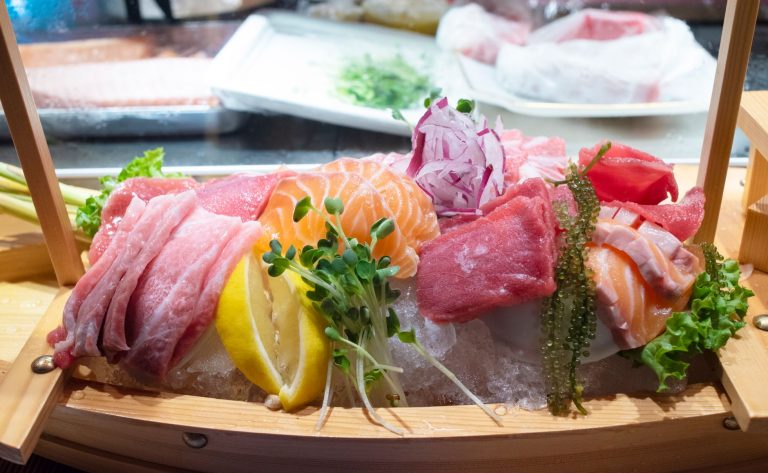
The sushi is what most people come for first. The nigiri is cut properly — thick enough to taste, not so thick it falls apart — and the fish is fresh on delivery days, which are Tuesday, Thursday, and Saturday. The spider roll and the spicy tuna roll are both solid, but regulars tend to migrate toward the simpler preparations: a plate of yellowtail sashimi, a bowl of miso soup that’s heavier on the dashi than the paste, a few pieces of egg tamago. These are the dishes that reward a second or third visit.
Beyond sushi, Shimada runs a full cooked menu. The chicken katsu curry arrives in a wide bowl, the sauce dark and spiced without being aggressive. The tonkatsu is pounded thin and fried to order, served with shredded cabbage and a small pot of Worcestershire-based sauce. The nabeyaki udon — thick noodles in a clay pot with a soft egg, chicken, and kamaboko fish cake — is the thing to order on a cold night, and it costs somewhere around thirteen or fourteen dollars depending on the season.
Keiko’s style on the floor is matter-of-fact rather than performative. She refills water glasses without being asked. She’ll steer a first-timer away from the wrong order if they seem uncertain. She once told a table of college students to split the sashimi combo and add miso soup and they all agreed it was the right call. She doesn’t hover, but she pays attention in the way that only someone who genuinely cares about whether people leave satisfied actually does.
Shimada is open for lunch Tuesday through Friday and for dinner Tuesday through Sunday. Expect to spend around fifteen to twenty-five dollars per person for a full meal with a drink. Reservations aren’t required, but calling ahead on weekend evenings is smart — it’s a small room, and word has gotten around. Parking is straightforward, lot space in front. Cash and card both work. Keiko’s there most nights. That part’s not on the menu, but it’s worth knowing.