There is a moment, somewhere between the Children’s Museum milk bottle and the old Northern Avenue Bridge, when Fort Point Channel stops feeling like a commuter shortcut and starts feeling like a living, breathing piece of the city’s soul. I found that moment on a Tuesday morning in late September, coffee in hand, sneakers already a little damp from the dew on the planking, and I have been chasing it ever since.
The Reserved Channel Harborwalk is one of those places that Bostonians walk past constantly and tourists rarely think to seek out. It threads along the western edge of South Boston’s Fort Point neighborhood — one of the most architecturally interesting districts in the city, full of converted brick warehouses, artist studios, and the kind of iron-framed windows that make you want to move in immediately. The Harborwalk itself runs roughly from the Congress Street Bridge south toward the Reserved Channel, connecting a series of piers, pocket plazas, and waterside benches that feel, on a clear day, almost impossibly pleasant.
Start at Congress Street. The giant Hood Milk Bottle that stands outside the Boston Children’s Museum is your landmark — you cannot miss it, and you should not skip stopping for a coffee from the little café inside it, because sipping a latte next to a 40-foot fiberglass dairy bottle while watching tugboats ease up the channel is a very particular Boston pleasure. From there, head south along the wooden boardwalk sections and let the Fort Point Channel open up around you.
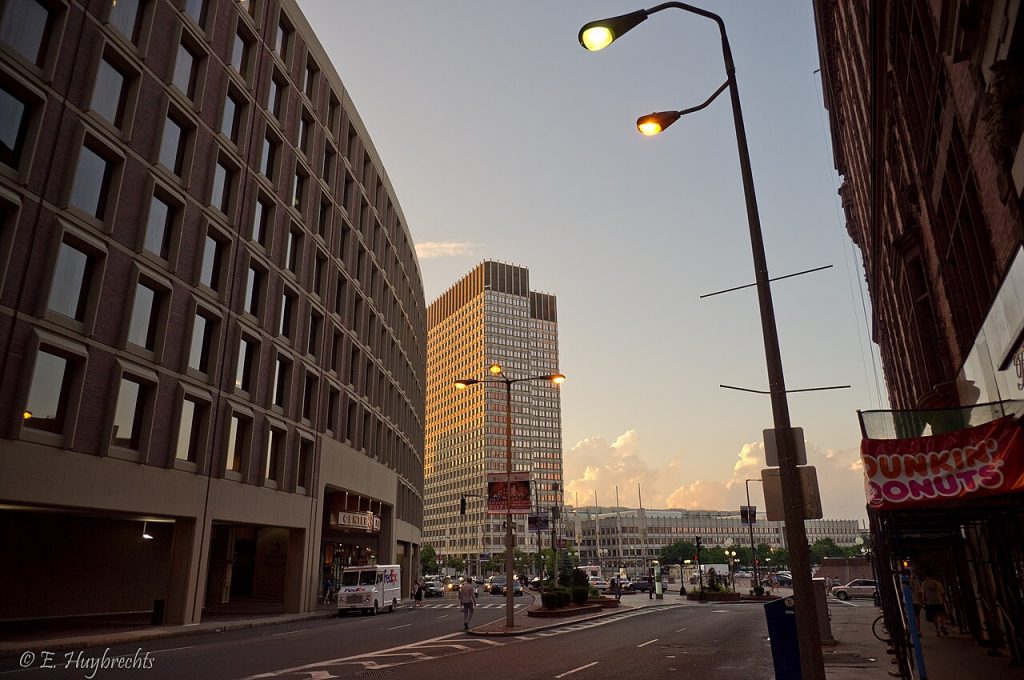
What makes this stretch special is the layering of old and new. You are walking past buildings that once held wool merchants, leather factories, and printing houses — the industrial backbone of a 19th-century city. Today those same buildings house design firms, architecture studios, and some of the most interesting restaurants in Boston. The contrast between the weathered granite seawalls and the sleek new residential towers rising behind them is genuinely striking, and it tells the story of Boston’s waterfront reinvention better than any museum placard could.
In warmer months, the piers along this stretch host outdoor events, food trucks, and impromptu gatherings of kayakers launching into the channel. In winter, the whole corridor takes on a more austere beauty — iron-gray water, bare brick, the occasional cormorant perched on a piling — that feels authentically New England in the best possible way.
The walk is free, mostly flat, and about a mile and a half if you go all the way to the Reserved Channel and back. It connects naturally to the broader Boston Harborwalk network, so ambitious walkers can keep going north toward Long Wharf or south toward the Black Falcon Cruise Terminal without ever running out of waterfront.
Go on a weekend morning before the neighborhood wakes up fully. Bring a good jacket if there’s any wind off the water — there usually is — and give yourself at least ninety minutes to wander without a plan. Fort Point rewards the unhurried visitor. The detail work on the old warehouse facades, the community garden tucked behind Farnsworth Street, the view back toward downtown from the far end of a pier: none of these things appear on a checklist, and all of them are better for it.
This is not a postcard Boston. It is a working, evolving, genuinely lived-in piece of the city, and that is exactly why it is worth your time.