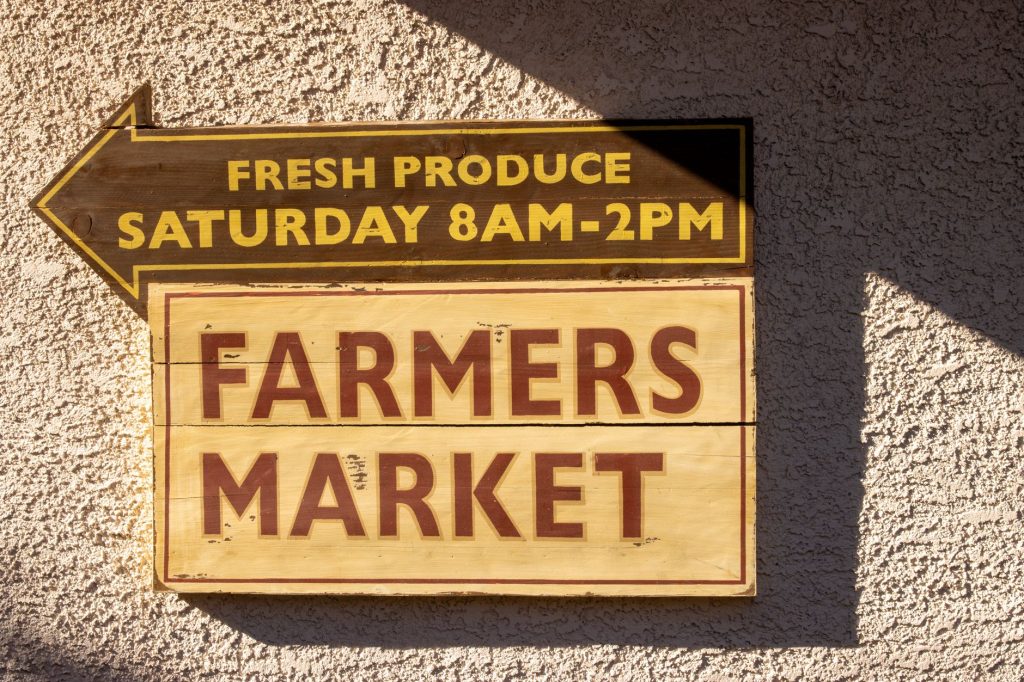
Every Thursday morning, the stretch of pavement outside the Civic Arts Plaza on Thousand Oaks Boulevard stops being a parking lot and becomes something considerably more alive. The Conejo Valley Certified Farmers Market has run here for over two decades, and it shows — not in any nostalgic, polished way, but in the easy familiarity between vendors and regulars who have been showing up on the same schedule since before smartphones told them the hours.
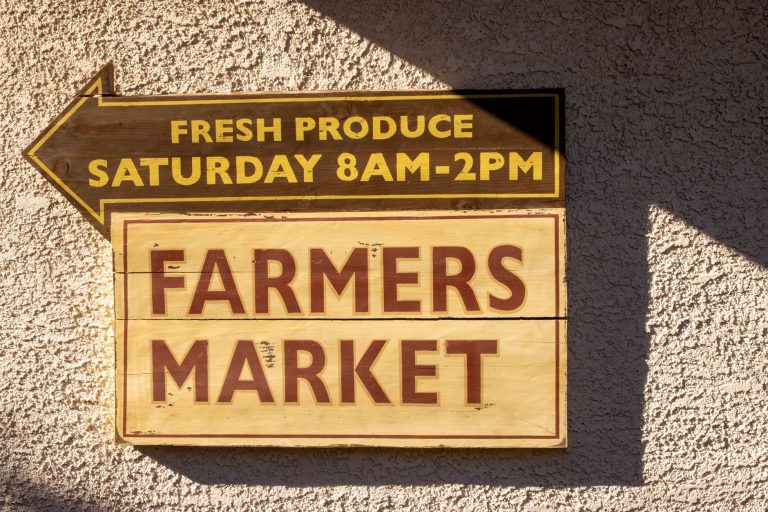
The market runs from around 8 a.m. to 1 p.m., roughly forty stalls long depending on the season, and skews toward produce over prepared food, which separates it from the weekend farmers market circuit that often tips toward food trucks and kettle corn. There are vendors here who bring citrus directly from groves in the eastern county — blood oranges, Cara Caras, and Meyer lemons that arrive in wooden crates and move fast. A regular fixture toward the center sells dry-farmed tomatoes in summer that bear almost no resemblance to what the grocery stores call tomatoes.
The bread contingent is modest but reliable: a sourdough operation out of Ventura, a family selling pan dulce and sweet tamales from coolers, and a rotating cast of specialty bakers who appear when the season gives them something to work with. Stone fruit from local orchards starts arriving in late spring, and those weeks in June and July when peaches and nectarines are coming in simultaneously are the market’s quiet peak — not crowded by any urban market standard, but noticeably busier, with people filling bags rather than browsing.
Parking, perhaps unsurprisingly, is free and not a problem during market hours. The site sits adjacent to the Civic Arts Plaza complex on the east end of Thousand Oaks Boulevard, easy to find and easy to leave. Families with strollers, retired couples with canvas tote bags, office workers on a Thursday flex schedule — the demographic is genuinely mixed in a way that reflects the city rather than any particular corner of it.
Prices track close to what you’d expect for certified farmers market produce: not cheap compared to the nearest Ralphs, but competitive with Whole Foods and without the markup on the story. Cash still moves fastest here, though most vendors have added card readers. A full bag of seasonal vegetables — kale, beets, a bunch of radishes, two kinds of squash — typically runs somewhere between twelve and twenty dollars depending on the time of year and what looks best.
What the market does particularly well is staying out of its own way. There’s no branded signage campaign, no Instagram-ready mural for backdrop photos, no branded tote bags for sale at the entrance. It operates like a market rather than an experience, which is a distinction that gets harder to find. The vendors are there to sell food. The regulars are there to buy it. The transaction is honest and the product is good, and that combination has kept people coming back on Thursdays for a long time.
For anyone new to the Conejo Valley or just newly paying attention to what the region actually grows, a couple of hours on a Thursday morning here covers more ground than any amount of reading about the place.