My neighbor Maria has been saying for two years that I needed to meet Victor Reyna. “Just go on a Saturday,” she’d say, every time we talked about where to eat. “Go early. Take cash. Don’t argue with him about the salsa.” I finally listened last November, and I’ve been going back every few weeks since.
Victor runs Reyna’s Tamales out of a small brick building on West Division, not far from the old Putt-Putt lot — the kind of spot you pass a hundred times before you stop. He started as a food truck about eight years ago, working Saturdays at a lot on Cooper, then slowly built up enough regulars to sign a lease. The inside seats maybe thirty people on a good day, with mismatched chairs and a hand-painted menu board his daughter updated sometime around 2021. It still has a smear of red paint in the corner where she changed a price.
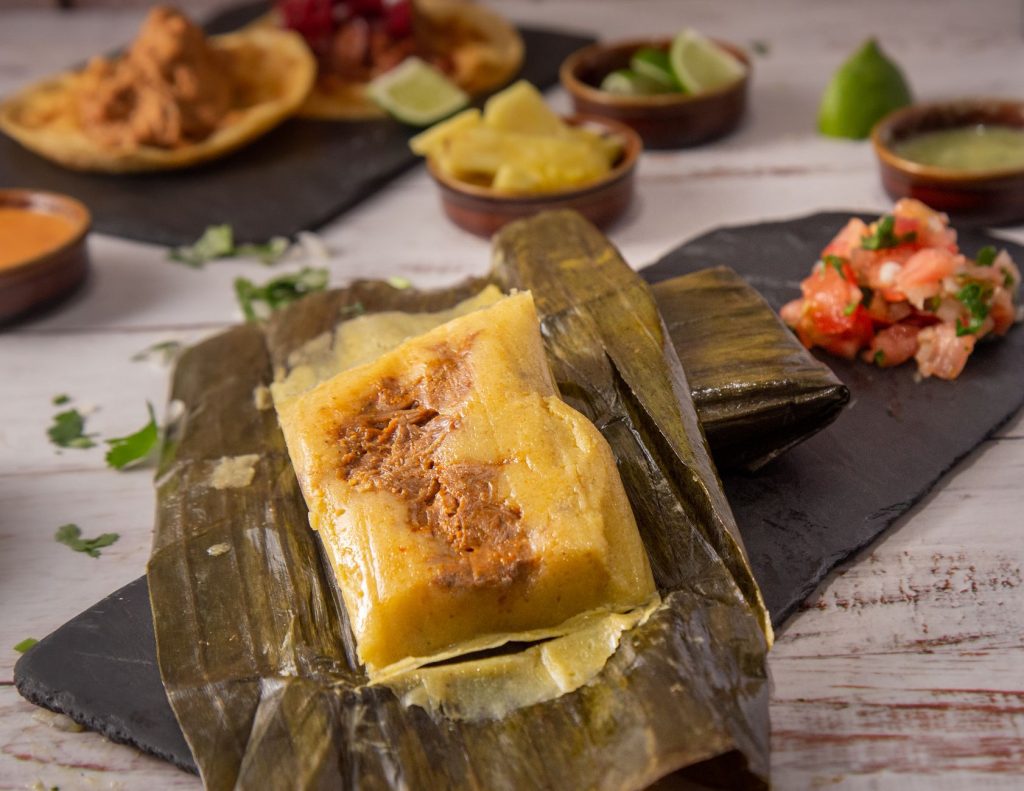
Victor grew up in Zacatecas and learned to make tamales from his grandmother, which he’ll tell you unprompted if you ask him what makes his different from the place down the street. The masa is the thing — it’s not too dense, not too greasy, and it holds together without being stiff. He steams them to order on weekends, so if you show up at nine on a Saturday morning, you’re getting tamales that have been in the pot for maybe forty minutes. The pork with red chile is the standard, and it’s outstanding. But don’t skip the rajas con queso if they have them — roasted poblano strips with Oaxacan cheese, mild enough that my seven-year-old ate four without complaint.
Weekdays he pivots to a short menu of plates: rice, beans, caldo de res on Wednesdays and Fridays, and usually two or three rotating specials written on a whiteboard near the register. I’ve had the enfrijoladas twice and think about them more than I probably should. Black bean sauce, good cotija, an egg on top — it’s the kind of food that makes eleven-thirty feel like a reasonable time for lunch.
Victor works the counter most mornings himself. He’s not unfriendly, but he’s focused — taking orders, checking the steamers, calling back to the kitchen in a mix of Spanish and shorthand only the staff seems to understand. If you catch him between rushes, he’ll talk your ear off about masa hydration or why he refuses to use lard substitutes. He has opinions. That’s part of the draw.
Prices are honest — a dozen tamales runs around fourteen to sixteen dollars depending on the filling, and plates are mostly under ten. The Saturday tamale rush can clean out certain flavors by noon, so if you want the full selection, arriving before ten-thirty is real advice, not just politeness. They accept cards now, though the sign on the door still says cash only from two years back.
Maria was right, as she usually is about these things. Victor Reyna didn’t set out to run a destination restaurant. He set out to make tamales the way his grandmother made them, and charge a fair price, and show up every day. That turns out to be enough — more than enough, actually.