There is a stretch of pavement running east to west through Tulsa that feels less like a road and more like a living museum — one where the exhibits still have their lights on, the diners still serve coffee, and the neon still buzzes to life every evening like it has for the better part of a century. I am talking about Tulsa’s Historic Route 66 along 11th Street, and if you have not spent an afternoon (and a long, slow evening) wandering it, you are genuinely missing one of the most atmospheric experiences in the American heartland.
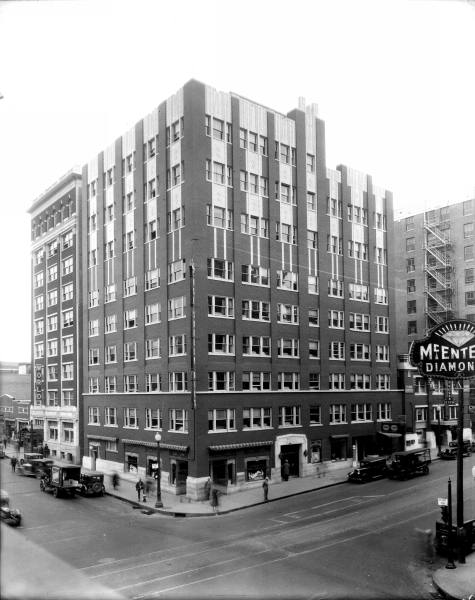
Tulsa was a Route 66 town before Route 66 was even a proper concept. When the highway was officially commissioned in 1926, it ran straight through the heart of the city, and 11th Street became the main drag — lined with motor courts, service stations, burger stands, and roadside curiosities that catered to a nation suddenly in love with the open road. Decades passed, the interstate bypassed the old route, and lesser cities let their stretches crumble into irrelevance. Tulsa did not. The city’s 11th Street corridor remains remarkably intact, a genuine time capsule that rewards the curious traveler who slows down and actually looks.
Start your exploration around the 11th Street Bridge, a graceful old concrete arch spanning the Arkansas River that dates back to 1916 and offers one of the most photographed views in the city — especially at golden hour, when the sky goes tangerine over the water and the bridge’s reflection shimmers below. From there, head east and let the corridor unfold at its own pace. You will pass the Desert Hills Motel, its vintage sign still standing proud, and the unmistakable profile of Rockford’s Drive-In. The neon signage alone is worth the trip: bold, hand-painted, unapologetically mid-century.
One of the genuine highlights of the corridor is the Meadow Gold sign — well, you will have seen that covered elsewhere, but the spirit it represents is everywhere on 11th Street. Pop into the Tally’s Good Food Cafe, a diner so earnestly old-school it feels like a stage set, except the pancakes and chicken fried steak are absolutely real and absolutely worth every calorie. The staff know regulars by name, the coffee is bottomless, and the booths have the comfortable sag of long use.
The stretch between Peoria and Yale is particularly rich in texture. Independent businesses — a vintage clothing shop here, a quirky antique dealer there — occupy storefronts that have housed enterprises of one kind or another for eighty-plus years. It is a walkable, browsable corridor that rewards wandering without a strict agenda.
If you are visiting with out-of-town guests who want to understand what Tulsa is, bring them here first. The Route 66 corridor is where the city’s history, its working-class swagger, its creative stubbornness, and its genuine pride in place all converge in the most tangible way possible. Come at dusk, when the neon warms up and the air carries that particular Oklahoma mix of prairie wind and fried food. You will understand almost immediately why people have been pulling off the highway here for a hundred years, and why they keep coming back.
Tulsa’s 11th Street Route 66 corridor is free to explore, open every day, and located just minutes from downtown. Pick up a self-guided driving map at the Tulsa Convention and Visitors Bureau, or simply point your car west on 11th and let the road do the talking. It has had a lot of practice.