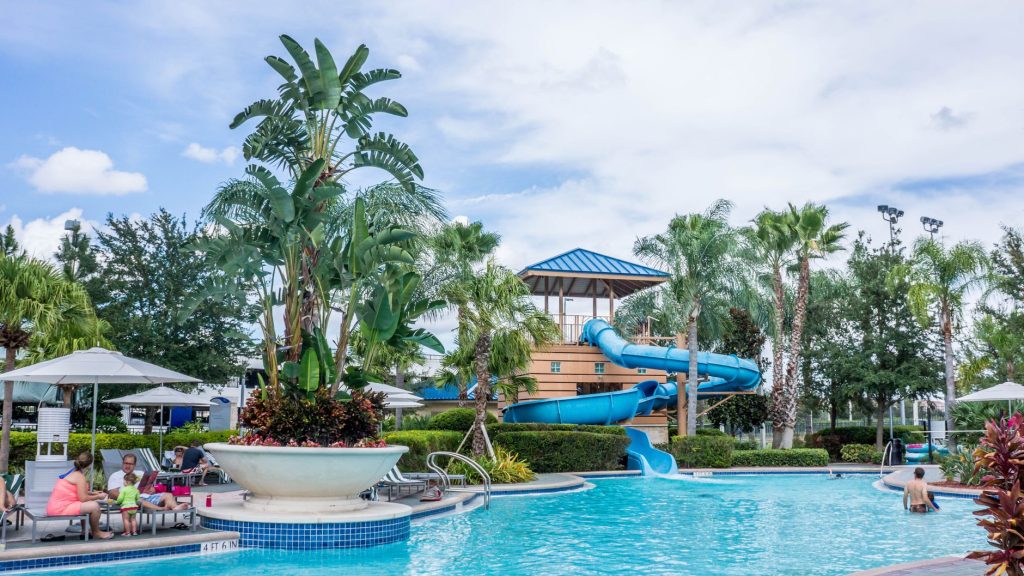
By ten o’clock on a July Saturday, the parking lot at Parrot Island Waterpark is already half full. Families spread towels on the concrete apron around the wave pool before the gates officially open, coolers parked at their feet, kids in floaties hovering at the entrance like racehorses behind a gate. This is not a sleepy municipal pool. It is loud, deliberate, and crowded in the way that suggests people genuinely want to be here rather than simply tolerating it.
Parrot Island sits off Zero Street on the south side of Fort Smith, behind the convention center complex and within easy distance of the Rogers Avenue commercial strip. The address is utilitarian. The park itself is not. When the city rebuilt and expanded the facility in the mid-2000s, it went considerably bigger than the old Creekmore aquatic setup that locals had relied on for years. What replaced it included a wave pool that runs on a fifteen-minute cycle, a lazy river that loops the outer perimeter long enough to feel genuinely lazy, and a cluster of waterslides that range from mild family flumes to drops steep enough to empty pockets.
The slides are where the teenagers disappear for most of the afternoon. The tallest of the enclosed body slides — the kind where you cross your arms, lie back, and try not to tense up — sends riders through a full corkscrew before depositing them in the splash pool at the bottom. The line moves, usually no more than ten or fifteen minutes even on peak days, which is a reasonable price for the speed involved. Younger kids gravitate toward the splash pad zone in the northwest corner of the park, where a bucket drops several hundred gallons of water on anyone standing beneath it every few minutes. The bucket is reliable. The screaming when it tips is universal.
Admission runs around fifteen to eighteen dollars for adults, slightly less for children, with season passes available for families who plan to come more than a handful of times. That math tends to work out quickly in an Arkansas summer. The park opens Memorial Day weekend and stays open through mid-August, with hours typically running ten to six or seven depending on the day. Weekend afternoons in late June and early July are the busiest windows; a weekday morning in late July — when summer camps have wound down but school hasn’t started — tends to be the most relaxed visit.
The concession stand covers the basics: hot dogs, nachos, frozen lemonade, the particular kind of overpriced bottled water that tastes better than it has any right to in ninety-five degree heat. Outside food is not permitted inside the gates, which is standard for facilities of this type. Lockers are available near the main entrance for a small fee.
What makes Parrot Island stand out against comparable regional parks is less any single feature than the overall sense of maintenance and operation. The water is clean, the lifeguards are present and paying attention, and the facility doesn’t have the sun-bleached, slightly defeated look that marks waterparks left to coast on past investment. The wave pool timer is announced over the loudspeaker so that people can get into position. The lazy river tube rental stations are staffed. These are small things that add up over a four-hour visit with children who have specific opinions about how their afternoon should go.
Fort Smith doesn’t often get described in terms of its recreational infrastructure, but Parrot Island is the kind of facility that keeps families from driving to Tulsa or Little Rock for a water park day. On a triple-digit afternoon, that counts for a great deal.