The Midland College Planetarium seats about 60 people under a 30-foot dome, and on most Friday nights it fills up with families, retirees, and the occasional first date. Admission is four dollars. That’s not a typo — four dollars for a full digital projection show that runs roughly 45 minutes and leaves adults genuinely impressed, not just the kids they dragged along.
The planetarium sits on the Midland College campus off Lamesa Road, inside the Math and Science Building. It’s the kind of place you drive past for years without stopping because it doesn’t advertise much and the building itself doesn’t signal anything special from the parking lot. First-time visitors tend to expect something closer to a high school science class — maybe a dated projector, some dusty constellation charts, a recorded narrator who sounds bored. That’s not what’s in there.
The current system is a Digistar projector, fully digital and capable of flying you through a realistic simulation of the solar system, pulling back to show the Milky Way from outside it, or zooming down to street level on Mars. The shows are narrated live by planetarium staff, which makes a real difference. You can ask questions. The pace adjusts. It doesn’t feel canned.
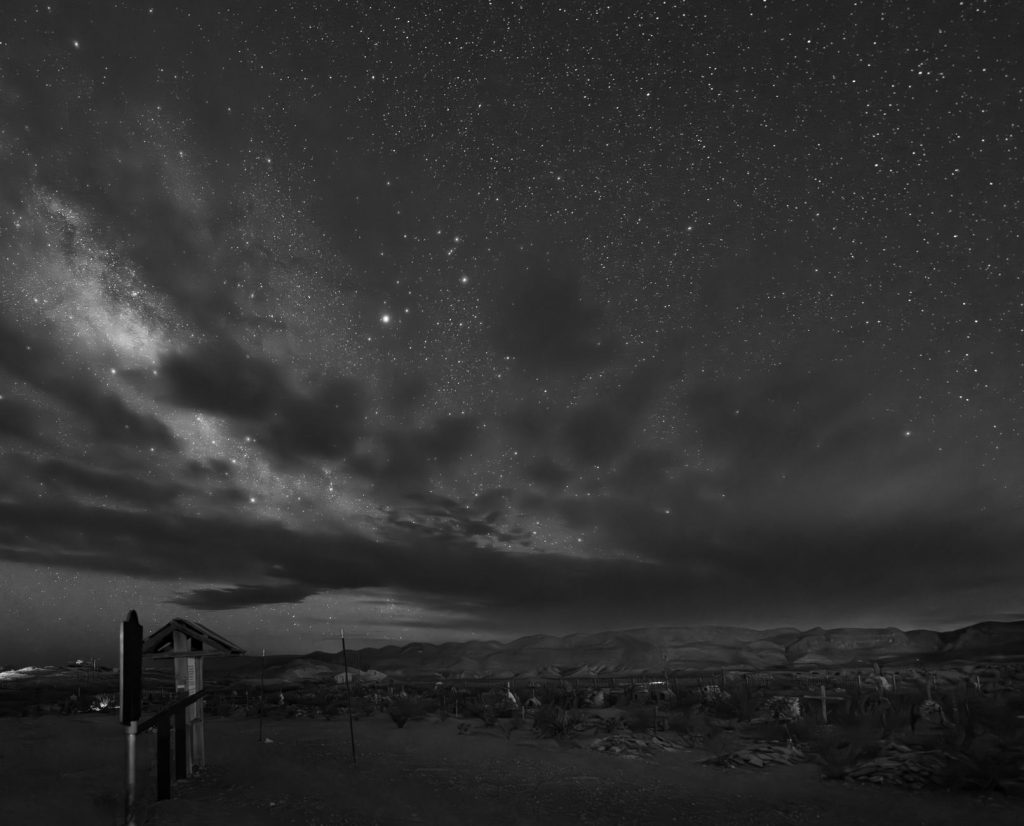
Programming rotates by season and by audience. Friday public shows tend to cover broad cosmology — black holes, the life cycle of stars, whatever’s currently visible in the West Texas sky that time of year. Midland’s low humidity and flat horizon make for genuinely good stargazing, and the staff will often point out what to look for once you’re back outside. There are also school group shows during the week, and the college occasionally hosts special events around meteor showers or eclipses that draw bigger crowds than you’d expect.
The space itself is comfortable — reclining seats, good air conditioning, which matters in a Midland summer — and the sound system is solid. The dome image wraps edge to edge without visible seams. It’s a better sensory experience than the setup would lead you to believe from the outside.
What keeps locals coming back, beyond the price, is the staff’s genuine enthusiasm. These aren’t docents going through motions. The people running Friday shows tend to have astronomy backgrounds and the kind of specific knowledge that turns a show about Jupiter’s moons into a half-hour conversation after the credits roll, if you’re interested. Kids who ask questions get real answers, not deflections toward the gift shop. There isn’t one.
Show times vary by semester — the college website posts the schedule, and it’s worth checking before you make the drive since programming sometimes shifts around holidays and academic breaks. Doors typically open about 15 minutes before showtime. Parking is easy and free. Groups larger than ten or so should call ahead, but walk-ins are usually fine for the Friday public shows.
Midland doesn’t have a lot of things you can do on a Friday night for under ten dollars total, including the drive across town. The planetarium is one of them, and it holds up against venues charging ten times as much.