The Chesapeake Museum of Art occupies a converted space off Battlefield Boulevard that most drivers pass without a second glance. That’s partly by design — the museum has never courted crowds the way larger institutions do — but it’s also a reflection of a city that doesn’t quite know what to do with its own cultural institutions yet. Inside, it’s worth more attention than it gets.
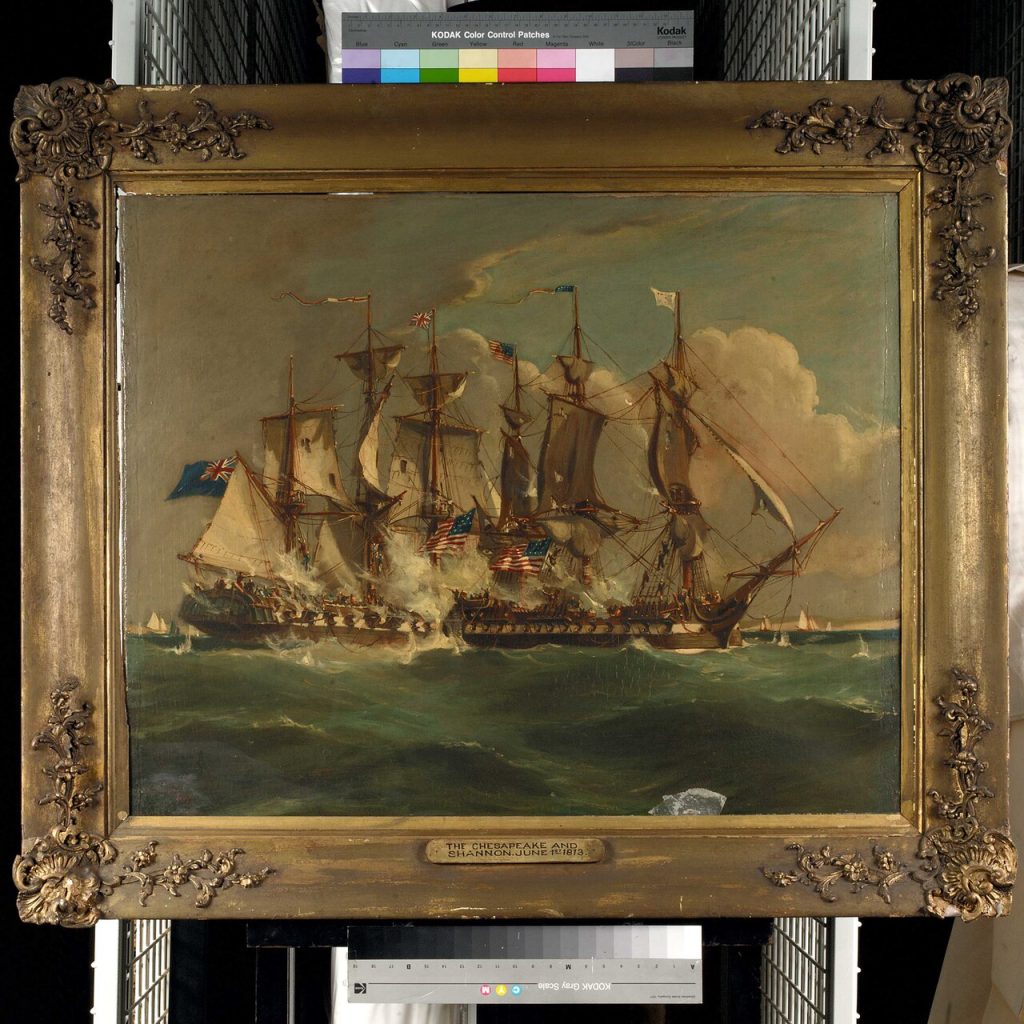
The permanent collection leans heavily on regional work: Virginia landscapes, coastal scenes, portraits of people who look like they actually lived near salt water. A lot of it is from the mid-twentieth century, the kind of painting that fell out of fashion for a generation and is quietly coming back. Some pieces feel like they were rescued from estate sales before they disappeared into storage forever. That’s not a knock — it’s part of what makes the collection feel specific rather than generic.
Rotating exhibitions cycle through every few months and tend to spotlight living artists from Hampton Roads and the broader Tidewater area. Recent shows have included photography from the Elizabeth River’s working waterfront and a ceramics exhibition from artists connected to local university programs. The work varies in quality, as regional shows always do, but there’s usually something worth slowing down for.
The museum runs on a lean budget. Admission is low — generally around five dollars for adults, less for seniors and students, and free for children under twelve — which makes it one of the more honest cultural bargains in the area. Weekend afternoon hours are the most reliable for drop-in visits; weekday hours can shift, so checking the website before driving out is worth the thirty seconds.
Staff here tend to be volunteers or part-time docents who actually know the collection. Ask about a specific piece and the conversation usually goes somewhere interesting. That kind of direct access to knowledgeable people is harder to find at institutions with bigger budgets and more programmatic interpretive panels in place of human contact.
The building itself has some awkward qualities — the floor plan doesn’t always flow logically, and the lighting in one of the back galleries is not doing the work any favors. None of that is fatal, and it gives the place a working, improvised character that suits a museum still figuring out what it wants to be. There’s a reading room off the main gallery with art books and catalogues, a few of them out of print, that visitors are welcome to sit with.
For families, the museum is a low-pressure introduction to looking at art. Nothing is so precious that a curious eight-year-old can’t get close to it. For adults who follow regional art scenes, it’s a reliable way to stay current on what local artists are making without driving up to Norfolk or Richmond. Neither group will feel talked down to or overwhelmed.
Chesapeake doesn’t have a sprawling arts district or a flagship cultural institution on the scale of its neighbors. The Museum of Art is a smaller, quieter thing — a place that does the work of preserving and presenting regional art without a lot of ceremony. That’s a useful thing to have in a city this size, and it’s more interesting than its low profile suggests.