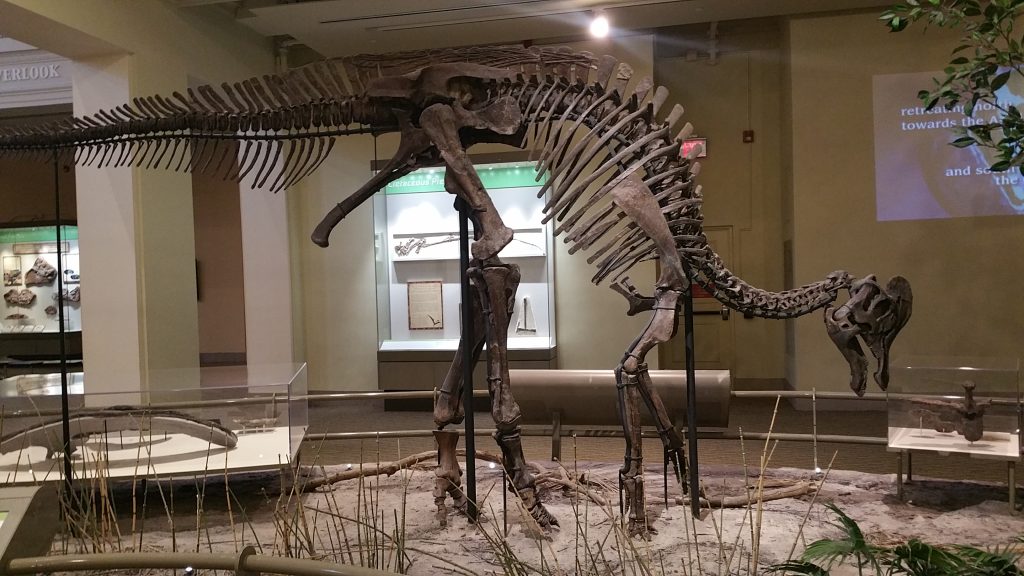
There is a moment, and I promise you will have it, when you round a corner inside the Carnegie Museum of Natural History in Pittsburgh’s Oakland neighborhood and come face to face with a Diplodocus skeleton so massive it seems impossible that anything that large ever walked this earth. Your jaw drops. You forget what decade it is. You are eight years old again, and that is exactly the point.
The Carnegie Museum of Natural History is one of the crown jewels of American natural history institutions, and yet somehow it flies under the radar compared to its New York and Washington counterparts. That is Pittsburgh’s quiet advantage. You will not battle the crushing tourist crowds you’d find at the Smithsonian. You will move through soaring, light-filled halls at your own pace, genuinely absorbing what you’re seeing rather than being swept along by a tide of selfie sticks.
The Dinosaur Hall is the undisputed centerpiece, and it deserves every superlative thrown at it. Carnegie was instrumental in dinosaur paleontology during the late 19th and early 20th centuries — the museum’s founder, Andrew Carnegie himself, funded major fossil expeditions that shaped what scientists know about these creatures. The result is a collection that feels authoritative and alive. The bones aren’t reproductions. These are the real thing, painstakingly assembled and displayed in dynamic, lifelike poses that suggest motion rather than death.
But don’t make the mistake of rushing past the other galleries to get to the dinosaurs. The Hillman Hall of Minerals and Gems is genuinely stunning — cases of fluorescent minerals, towering crystal formations, and gemstones that seem to glow from within. The Egyptian mummies in the ancient world section have been drawing wide-eyed visitors for generations, and the wildlife dioramas, painted with extraordinary precision, capture ecosystems from the Arctic tundra to the African savanna in scenes so detailed you find yourself leaning in to spot a beetle on a leaf or a hawk on a branch.
The museum sits on a beautiful campus alongside the Carnegie Museum of Art, the Carnegie Library, and Carnegie Mellon University, all within easy walking distance of each other in the vibrant Oakland neighborhood. There are excellent lunch spots nearby on Craig Street and Forbes Avenue, so plan to make a full day of it. Parking is available, and the museum is easily reached by bus from downtown Pittsburgh.
Admission is reasonably priced for what you get, and the Carnegie’s combination membership — covering both the Natural History and Art museums — is one of the best deals in the city if you intend to return, which you will. Save some time near closing to linger in the gift shop; it is stocked with the kind of thoughtful, science-forward items that are genuinely hard to find elsewhere.
Pittsburgh is a city that rewards curiosity, and no single institution embodies that spirit more completely than the Carnegie Museum of Natural History. Come for the dinosaurs. Stay for everything else.