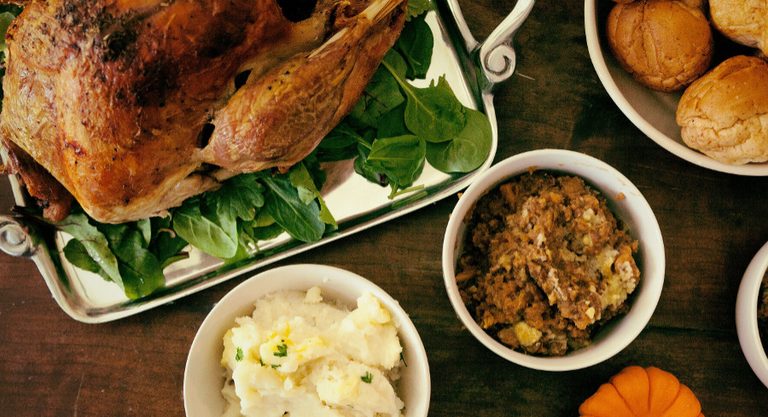
For families across the United States, the cost of a classic Thanksgiving feast for ten people is expected to average $58.63 this year, according to the American Farm Bureau Federation’s 41st annual Thanksgiving dinner survey. That works out to about $5.86 per guest – a modest rise of just over 6% from last year, but still $5.42, or 8.5%, below the all‑time high of $64.05 recorded in 2022.
Turkey Prices Lead the Increase
The primary driver of the higher bill is the turkey. Volunteer shoppers found that a 16‑pound frozen turkey now costs $23.68, or $1.48 per pound – a 10.1% jump from 2025 levels. The increase reflects higher production expenses and a turkey population that is still rebounding after recent setbacks. Despite tighter margins, farmers have sufficient supply to meet holiday demand, and USDA Agricultural Marketing Service data shows that grocery‑store prices for whole frozen turkeys actually dipped during the second week of November.
Other Items See Mixed Changes
Several staple items on the traditional list rose in price. A 12‑ounce bag of fresh cranberries increased 8.8% to $2.48, a gallon of whole milk climbed 8.6% to $4.05, and a dozen dinner rolls went up 7% to $3.81. Sweet potatoes, stuffing mix, and pumpkin‑pie mix each rose between 1.9% and 5.4%. Miscellaneous baking and preparation ingredients added another $3.84, up 6.4%.
However, not every item became more expensive. One‑third of the surveyed products actually fell in price, helped by lower wheat costs and stronger crop rebounds. A one‑pound veggie tray of carrots and celery dropped 3.7% to $1.31, two frozen pie crusts fell 2.7% to $3.28, frozen peas slipped 2% to $1.99, and a half‑pint of whipping cream edged down 1.6% to $1.84.
Regional Variations
Where you live still matters. Southern shoppers enjoy the lowest average cost at $54.33 for the classic meal and $76.91 for an expanded menu that adds boneless ham, russet potatoes, and frozen green beans. The Midwest follows closely at $56.89 and $79.68. The West sits near the national average at $58.74 and $81.75, while families in the Northeast face the highest bills at $61.57 and $86.62.
Farmers See Little of the Retail Increase
Even as checkout counters show higher prices, farmers receive only a fraction of that extra cash. USDA figures indicate that less than six cents of every retail food dollar returns to the farm, with rising diesel and fertilizer costs quickly eroding any gains.
“Food prices are a real concern for America’s families, including farm families, who pay the same grocery store prices and also face rising supply costs,” said AFBF President Zippy Duvall. “With the struggling farm economy, action is needed to support the farmers who work every day to grow the food for America’s families. They need strong farm policy, which begins with the farm bill. A shortage of farm workers only adds to the stress, making labor reform another top priority. We urge Congress to work together in a bipartisan manner and pass the farm bill and labor reform to ensure a full table for America’s families beyond Thanksgiving.”
Looking Ahead
Despite the modest price uptick, the survey underscores that American families continue to spend a relatively small share of their disposable income on food compared with most of the world. The Farm Bureau’s consistent methodology – pricing the same shopping list each year across all 50 states and Puerto Rico – provides a reliable snapshot of how holiday food costs are evolving, helping families plan ahead and policymakers understand the pressures facing both consumers and producers.
Original reporting: Tampa Free Press — read the source article.