The sign on the building is easy to clock from the road — a little retro, a little roadside-attraction, the kind of thing that makes first-timers assume they’re in for something campy and forgettable. That assumption doesn’t survive the first room.
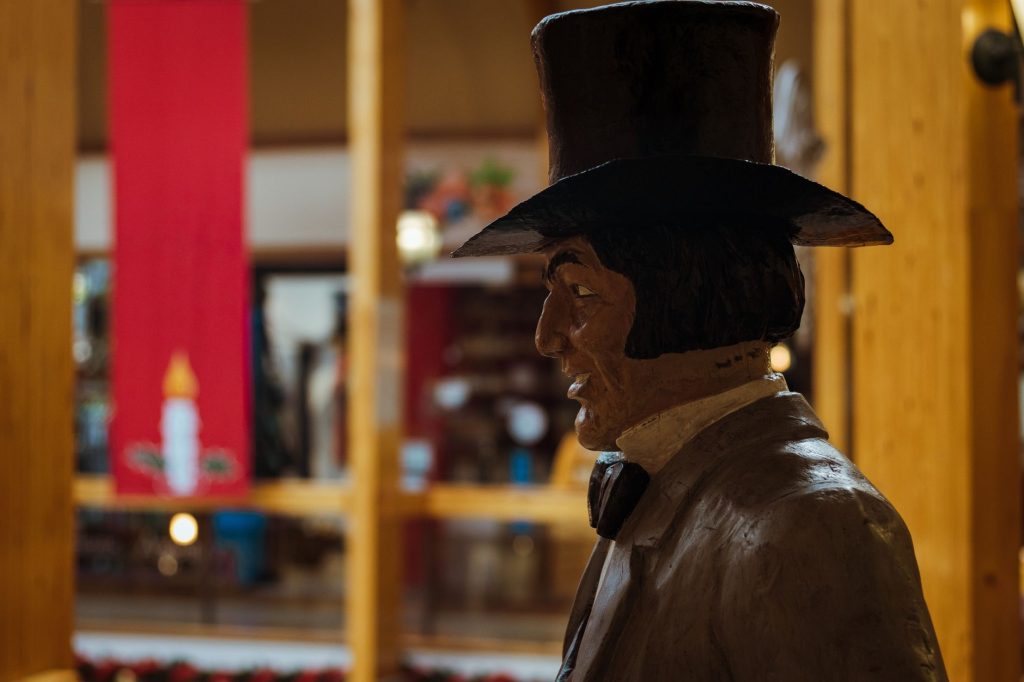
Texoma Wax Museum sits on US-75 in Sherman, occupying a space that looks, from the outside, like it belongs to a different era of Texas tourism. Walk in and the expectation is wax figures that sort of resemble famous people, the kind where you can’t quite tell if it’s supposed to be Elvis or your neighbor’s uncle. What visitors actually find is more considered than that — a mix of figures covering country music legends, historical figures, and regional Texas icons, with an attention to costume and setting that suggests someone did their homework.
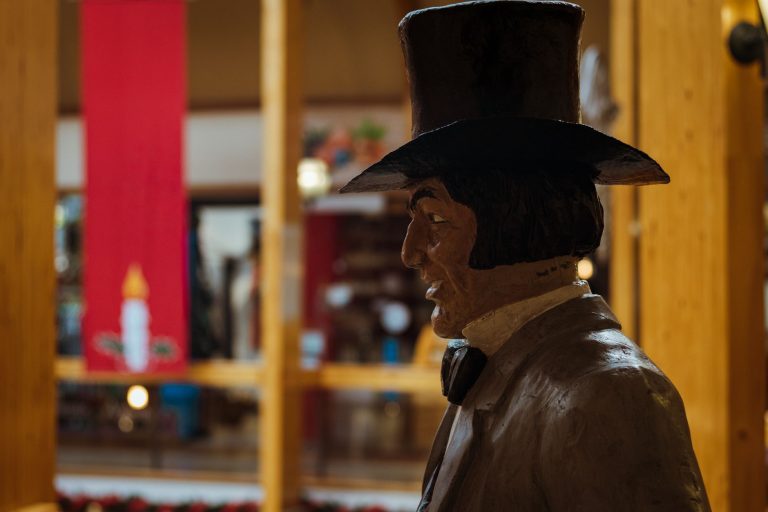
The figures closest to the entrance tend to be the crowd favorites: musicians, mostly, with enough detail in the clothing and instruments that the resemblances hold up under the overhead lighting. Move further in and the range broadens. There are presidents, athletes, a few Hollywood faces. Some figures are stronger than others — that’s honest — but the ones that land, land solidly. The Johnny Cash figure, in particular, draws a consistent second look from people who walk past it initially and then back up.
What the museum doesn’t try to be is a slick, polished national chain attraction. The staff is small and local, and the vibe is closer to a family-run curiosity than a corporate experience. That’s not a complaint — it’s largely what gives the place its character. Ticket prices run modest by any comparison, usually in the range of ten to fifteen dollars depending on the current offerings, which means it doesn’t have to clear an enormous expectations bar to be worth the stop.
The museum draws two kinds of visitors pretty reliably. There are families with kids who’ve driven through Sherman on the way to or from Lake Texoma, looking for something to break up the drive. And there are locals who bring out-of-town guests here as a kind of regional novelty, the same way you’d take someone to a diner that only the town knows about. Both groups tend to leave having taken more photos than they expected.
It’s worth going on a weekday if the schedule allows. Weekends, especially in summer, bring tour-style groups and school-adjacent crowds that can make the narrower walkways between displays feel tight. On a Tuesday afternoon, the place is nearly empty and there’s space to actually look at what’s in front of you without navigating around someone else’s selfie setup.
The gift shop at the exit is small and uncomplicated — postcards, magnets, the standard stops. Nothing remarkable, but it’s not trying to be. The museum itself is the draw, and for a region that doesn’t have the kind of destination pull that larger Texas cities generate, it fills a genuinely specific niche: a few hours of oddity and entertainment that holds up better than the building’s exterior suggests it will.