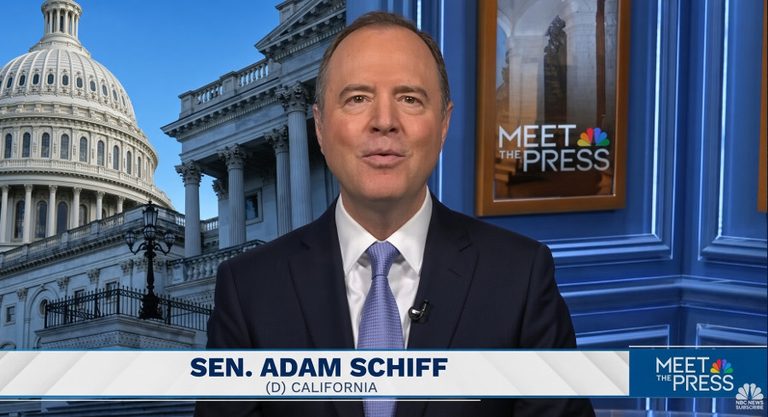
In a sharply worded exchange on the social platform X, U.S. Attorney Aaron Reitz of the Southern District of Texas ordered California Senator Adam Schiff to preserve all relevant records after the senator asked for a “complete list” of private donors to a White House ballroom project and the nonprofit Freedom 250. Reitz posted images of the preservation letter, accusing Schiff of using his congressional office to intimidate ordinary Americans.
Reitz’s Warning
Reitz, 39, wrote that the preservation order was issued “so we can see what’s really going on,” suggesting that the request was part of a broader effort to target private citizens who support President Trump. He described the incoming Democratic majority in Congress as “bloodthirsty” and warned that it could turn congressional power against political opponents.
Schiff’s Response
Schiff, 66, fired back the same day, asserting that his inquiries are grounded in the Constitution. “I won’t back down. I won’t be intimidated. I have all the authority I need. It’s called Article I of the Constitution,” he wrote. He pledged to continue pursuing what he called “corruption” in government, emphasizing that the American people demanded accountability.
Broader Legislative Push
Schiff is not acting alone. He, along with Representative Jamie Raskin and Senator Richard Blumenthal, has asked law firms for records they say were provided to the Trump administration under pressure. A House Judiciary Committee press release alleges that firms such as Kirkland & Ellis LLP performed at least $11.8 million in pro bono work for federal agencies, including projects like renaming the Kennedy Center and constructing a Triumphal Arch, after being urged by the administration.
Legal Context
Preservation orders are a routine tool used by federal prosecutors to ensure that potential evidence is not destroyed during an investigation. Reitz’s letter follows standard procedure, but the public nature of the exchange highlights the growing tension between congressional oversight and federal law‑enforcement authority.
Implications for Congressional Oversight
The clash underscores a larger debate over the limits of congressional investigative power. While lawmakers argue that transparency about donor influence is essential for a healthy democracy, prosecutors contend that such requests can become politicized tools that threaten the impartial administration of justice.
What’s Next?
Both sides appear poised to continue the dispute. Reitz has indicated that further action may be taken if he believes records are being concealed, while Schiff has vowed to pursue additional subpoenas and legislative measures aimed at increasing donor transparency.
Readers in Texas and across the nation should watch for any court filings or further statements from the Justice Department that could clarify the legal boundaries of this confrontation.
Original reporting: Tampa Free Press — read the source article.