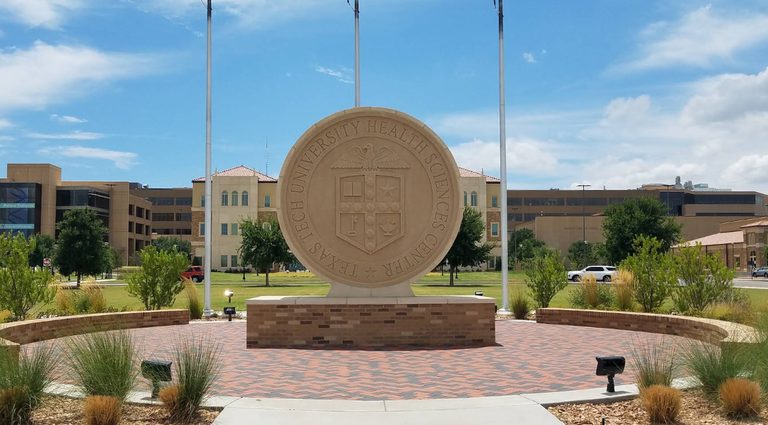
Texas Tech University Health Sciences Center (TTUHSC) in Lubbock has been officially designated a Project ECHO Superhub, joining a select group of 41 institutions worldwide that help bring specialist knowledge to underserved communities. The new status allows the university to recruit, train and support additional ECHO hubs, extending its reach throughout rural West Texas.
What a Project ECHO Superhub Does
Project ECHO (Extension for Community Healthcare Outcomes) uses videoconferencing and a telementoring model to connect frontline health‑care providers with expert teams. By sharing expertise remotely, the program eliminates the need for rural clinicians to travel long distances for consultations or continuing education.
Why the Designation Matters for West Texas
The West Texas region spans vast distances, and many small towns lack easy access to specialists, advanced training programs, and up‑to‑date medical resources. The Superhub will help bridge that gap by developing new educational programs, recruiting subject‑matter experts, and assisting partners in launching their own ECHO sites. Rural providers will gain real‑time guidance on a wide range of health topics, from chronic disease management to mental‑health care.
Existing ECHO Programs at TTUHSC
TTUHSC already operates several ECHO programs that address pressing health concerns for local families:
- Student Mental Health (TCHATT ECHO): Supports counselors in addressing social, emotional and mental‑health challenges among students.
- Maternal Health ECHO: Provides training and consultation for professionals caring for pregnant women and new mothers, in partnership with Be Well Texas and the Perinatal Psychiatry Access Network.
- Metabolic West Texas Resonance Project (MeWRECHO): Focuses on diabetes, obesity, cholesterol, kidney disease and related conditions.
- Dementia Care ECHO: Offers continuing education for clinicians treating patients with dementia, with special attention to rural caregivers.
- PA IMPACT ECHO: Helps physician assistants manage bipolar disorder, adolescent mental health and substance‑use disorders in primary‑care settings.
These programs demonstrate TTUHSC’s commitment to addressing real‑world health challenges that affect families across the South Plains.
Leadership of the New Superhub
The Superhub will be housed within TTUHSC’s Institute of Telehealth and Digital Innovation, building on work from the TexLa Telehealth Resource Center. Dr. Ariel P. Santos, chair of the TTUHSC Department of Surgery and director of the School of Medicine’s telemedicine program, leads the center. Glen Salcido, the institute’s program director, will coordinate new partnerships, while interim senior vice president of rural affairs Dr. Cynthia Jumper emphasizes that the Superhub will be “an invaluable resource to deliver health‑related educational and preventative information to community stakeholders.”
Impact for Lubbock and the South Plains
While the Superhub does not create new hospitals or instantly place specialists in every clinic, it expands TTUHSC’s role in training and supporting organizations that bring expertise into underserved areas. Rural providers who receive additional training in diabetes management, maternal health or mental‑health care will be better equipped to treat patients locally, reducing travel burdens for families.
For residents of Lubbard and surrounding towns, the Superhub represents a concrete step toward stronger health‑care infrastructure rooted in community‑based education and technology. More information about the programs is available through the TTUHSC Institute of Telehealth and Digital Innovation.
Original reporting: News/Talk 790 KFYO (Lubbock) — read the source article.