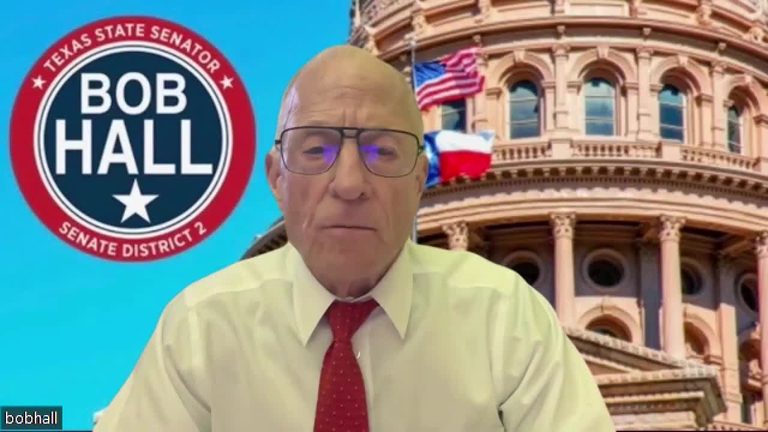
State Senator Bob Hall, a Republican from Rockwall, filed Senate Bill 437 on Thursday with the goal of ending tolls on Texas highways. The legislation would transition toll roads to toll‑free status once the original construction costs are paid off and would prohibit any new toll‑road projects from being built.
How the bill would work
Under SB 437, a toll road that has satisfied its financing obligations would become part of the state highway system, provided the Legislative Budget Board determines that sufficient state funds are available. If the state cannot assume responsibility, the county could take over the road with board approval. Should neither the state nor the county assume control, the current operating entity would be required to maintain the road without collecting tolls.
The bill also includes a grandfathering provision, allowing existing toll projects that are already under construction to continue, but any future toll‑road construction would be barred. Additionally, the measure would prevent the Texas Department of Transportation from converting existing free‑lane highways into toll lanes.
Changes to toll‑revenue usage
SB 437 would alter the way surplus toll revenue is allocated, removing authorizations that let excess funds be diverted to support other projects. By keeping toll money dedicated to the road that generated it, the bill seeks to ensure transparency and protect taxpayers from subsidizing unrelated initiatives.
Rationale and support
Senator Hall argues that toll roads place an unfair financial burden on families, especially those in rural and low‑income communities who rely on these corridors for daily travel. He contends that a toll‑free highway system aligns with the state’s constitutional commitment to free movement and supports the traditional family’s need for affordable transportation.
“Texans deserve roads they can use without paying a daily fee,” Hall said in a statement. “By returning these highways to the public, we uphold the principle that government exists to serve the people, not to profit from them.”
Potential impact
If enacted, the bill would affect several high‑profile toll projects, including portions of the President George Bush Turnpike, the North Texas Tollway Authority corridors, and the Central Texas toll system. Proponents say eliminating tolls could boost commerce, reduce commuting costs, and encourage more equitable access to the state’s transportation network.
Critics, however, warn that removing toll revenue could strain state and local budgets, potentially delaying maintenance or improvements on the very roads the bill seeks to protect. They also note that tolls have historically funded the rapid expansion of Texas’s highway infrastructure without raising general taxes.
Next steps
The bill now heads to the Senate Committee on Transportation for review. Supporters hope to secure bipartisan backing by emphasizing the family‑friendly and fiscally responsible aspects of the proposal. Opponents are expected to raise concerns about funding shortfalls and the practicality of transitioning existing toll facilities to free status.
Regardless of the outcome, SB 437 highlights a growing debate in Texas about the role of tolls in the state’s transportation strategy and reflects a broader push by conservative lawmakers to reduce what they view as unnecessary fees on hardworking Texans.
Original reporting: KLTV 7 Tyler (news) — read the source article.