On November 3, a Learjet 60 taking off from Austin, Texas, reported light ice buildup and moderate turbulence en route to the Bahamas. Within minutes the co‑pilot issued a panicked mayday call as the aircraft descended and struck a road in Florida, killing all nine aboard.
Why weather is becoming a bigger threat to aviation
Investigators are focusing on the weather factors that contributed to the tragedy. Icing and turbulence are already among the most dangerous aviation hazards, but new research suggests they are becoming more unpredictable as the planet warms and as strong El Niño episodes intensify.
Clear‑air turbulence – the invisible, sudden wind‑shear that can jolt an aircraft – is especially hard to forecast. A 2023 study found that severe clear‑air turbulence over the North Atlantic has risen 55 % since satellite observations began in 1979. Professor Paul Williams of Reading University warns that three‑fold increases in this type of turbulence could occur in some regions over the next few decades if forecasting does not keep pace.
El Niño’s role in turbulence spikes
Williams notes that super‑strength El Niño events, such as the 1997‑98 winter, produced a roughly 20 % rise in wind shear at cruising altitudes, leading to a noticeable spike in pilot turbulence reports over the United States and the North Atlantic. “That is undoubtedly going to lead to a lot more moderate and severe turbulence,” he said.
Ice hazards remain a concern
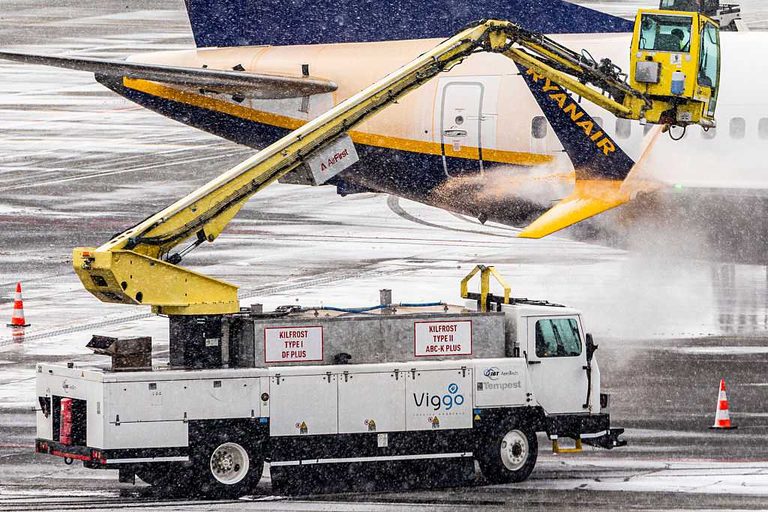
Ice buildup can dramatically alter an aircraft’s shape, reducing lift and increasing drag. When supercooled water droplets freeze on the wings, they add weight and can block critical sensors. While many larger aircraft have heated wing elements or inflatable de‑icing systems, smaller planes often rely on fluid sprays that create a thin anti‑ice film.
Scientists are still studying how climate change may affect icing frequency, altitude, and severity. A recent European Union Aviation Safety Agency (EASA) report cautioned that a warmer planet does not automatically mean less aircraft icing.
Heat also impacts take‑off performance
Rising temperatures thin the air, making it harder for planes to generate lift. On very hot days, especially at airports with short runways, airlines sometimes have to off‑load passengers or cargo to meet take‑off weight limits. For example, at Florence Airport in Italy, 20 passengers were removed from a flight when temperatures reached 95 °F.
In the Middle East, airlines mitigate extreme heat by scheduling long‑haul flights for early mornings or late evenings when the air is cooler.
What pilots and airlines can do
Modern forecasting combines weather models, satellite data, and pilot reports to improve turbulence prediction, but gaps remain. New remote‑sensing technologies like LIDAR can make clear‑air turbulence visible, though the equipment is currently expensive and adds weight.
Williams highlighted a machine‑learning system called ALPHA that merges weather models, satellite imagery, and radar data to flag high‑risk ice‑water zones, offering a promising tool for future safety improvements.
In the meantime, the safest immediate step for passengers is to keep seat belts fastened whenever seated and, if possible, sit nearer the aircraft’s center of gravity, where motion is less pronounced.
Original reporting: 40/29 / KHBS (NW Arkansas) — read the source article.