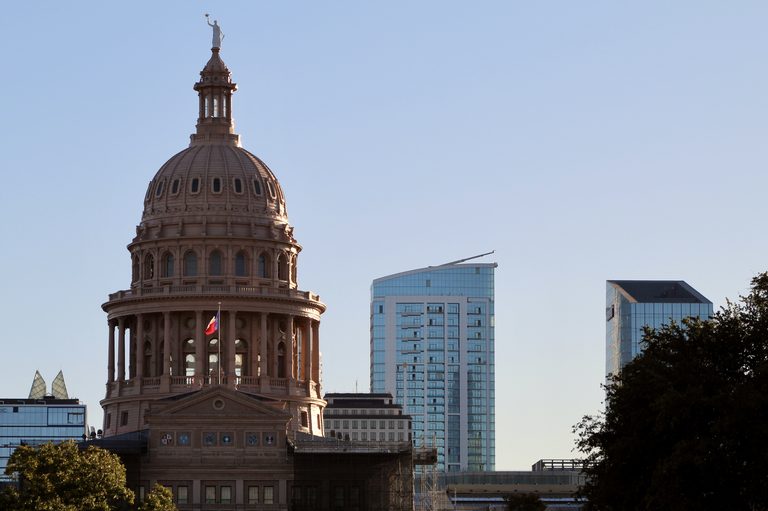
During the first week of the 2026 legislative session, Texas lawmakers and legislators‑elect submitted a wave of bills targeting the state’s booming data‑center industry. The proposals, numbering 19 in total, focus on ending a lucrative sales‑tax exemption, increasing local control over new projects, and tightening environmental oversight.
Tax‑exemption repeal gains bipartisan support
The centerpiece of the effort is a plan to repeal the state sales‑tax exemption granted to data centers in 2013. Senate Bill 2023, filed by Sen. Joan Huffman (R‑Houston), has the backing of 22 other senators and senators‑elect. Proponents argue the exemption costs Texas more than $1 billion each year, money that could be redirected to public education, property‑tax relief, or other essential services. Rep. Cody Vasut (R‑Angleton) echoed that sentiment at a tax‑policy conference, estimating the exemption’s cost at roughly $1.5 billion and questioning its survival in the upcoming session.
Local consent and permitting reforms
Several bills would shift decision‑making power to municipalities and their residents. Sen. Roland Gutierrez (D‑San Antonio) introduced legislation requiring local option elections for any new data‑center construction, while also barring state agencies from issuing permits or allowing grid connections for two years. Rep‑elect Cecilia Castellano, set to represent Uvalde and surrounding South‑Texas counties, filed a companion measure with similar language.
Rep. Brent Money (R‑Greenville) proposed that developers obtain permits from local commissioners’ courts before building data centers, concrete plants, landfills, or other “offensive land‑use facilities.” This approach mirrors existing local‑control mechanisms for industrial projects and aims to give communities a direct voice in land‑use decisions.
Transparency and environmental safeguards
Additional proposals target transparency and resource use. Rep. Mary González (D‑Clint), Rep. Vince Perez (D‑El Paso), and Rep‑elect Oziel Ochoa filed a bill to prohibit nondisclosure agreements with data‑center developers and to require public disclosure of economic‑development agreements.
Rep. Salman Bhojani (D‑Euless) seeks to limit noise from data‑center operations and to mandate water‑use reporting to the state. Sen. Judith Zaffirini (D‑Laredo) introduced legislation intended to prevent data centers from driving up residential electricity costs, while Sen. Charles Perry (R‑Lubbock) filed a comprehensive bill governing electric consumption, water use, and cooling practices.
Legislative timeline
The 90th Texas legislative session begins on Jan. 12, 2027, and will run for 140 days. For any of the bills to become law, they must clear both the House and Senate and receive the governor’s signature. Given the bipartisan nature of several proposals, especially the tax‑exemption repeal, the administration is likely to weigh the fiscal benefits against the industry’s argument that the exemption attracts investment and creates jobs.
What this means for Texans
If enacted, the repeal of the sales‑tax exemption could generate significant revenue for state‑wide programs, while local‑approval requirements would give communities a direct say in whether large, power‑intensive facilities are built nearby. Environmental safeguards would address growing concerns about water consumption and electricity demand in a state already grappling with drought and grid reliability issues.
Stakeholders on both sides of the debate will continue to lobby legislators as the session progresses. Residents, especially those in fast‑growing regions like Austin, Dallas‑Fort Worth, and the Rio Grande Valley, should watch for upcoming local‑option elections and public hearings that could shape the future of Texas’s data‑center landscape.
Original reporting: Community Impact — Frisco — read the source article.