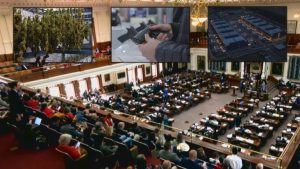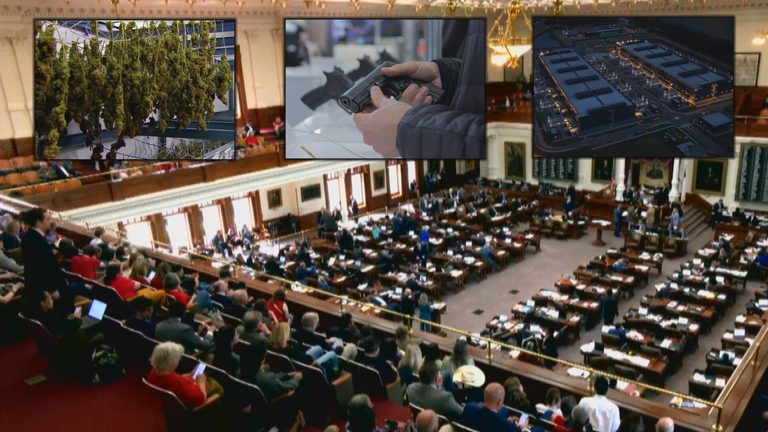
BRYAN, Texas – With the 90th Texas Legislature set to convene on Jan. 12, lawmakers have already filed 1,121 measures in the House and 336 in the Senate, according to Texas Legislature Online. The flood of proposals reflects a shifting political landscape: Democratic Gov.-elect Gina Hinojosa will take office in January, and Democrats have seized control of the Texas House for the first time in more than two decades.
Data‑center incentives under scrutiny
Sixteen bills focus on data‑center policy. House Bill 732 would bar certain data‑center projects from receiving state and local economic‑development incentives, including the Texas Jobs, Energy, Technology and Innovation (JETI) program. JETI currently offers a 10‑year school‑tax break to companies that promise job creation and community investment. The Grimes County Terafab project is already a JETI beneficiary, and HB 732 could limit future tax‑breaks for similar facilities.
Cannabis legislation moves forward
Six bills address cannabis. House Bill 369 seeks to legalize recreational cannabis for adults 21 and older, marking a significant shift in Texas drug policy. In contrast, House Bill 330 would expand medical cannabis access by allowing doctors to prescribe low‑THC cannabis for patients suffering from menstrual cramps, providing a targeted therapeutic option.
Firearm proposals reshape purchase and carry rules
Twenty‑five bills target firearms. The measures range from altering who may purchase a gun to redefining where and when Texans may carry a semi‑automatic rifle. Several proposals also give authorities new powers to temporarily remove firearms in specific circumstances, reflecting ongoing debates over public safety and constitutional rights.
Other notable proposals
House Bill 1031 would reclassify paid fantasy‑sports platforms as betting operations, subjecting them to gambling regulations. House Bill 331 aims to ban government agencies from using license‑plate readers and would allow individuals to sue for $1,000 if their privacy rights are violated. Two additional bills would permit limited police use of such cameras.
House Bill 996 would require Medicaid and certain health plans to cover abortion services, birth‑control methods and voluntary sterilization without out‑of‑pocket costs, a move that could reshape Texas health‑care coverage.
Legislative process and timeline
Filing a bill is only the first step. To become law, each measure must pass both the House and the Senate and then receive the governor’s signature. Lawmakers can continue filing new bills and joint resolutions through March 12, giving stakeholders ample time to weigh the proposals before the session begins.
Stakeholders ranging from data‑center developers and cannabis advocates to gun‑rights groups and privacy‑focused organizations are already weighing in on the pending legislation. As the new political balance takes shape, Texas residents can expect robust debate on how these bills will affect the state’s economy, public safety and personal freedoms.
Original reporting: CBS7 / First Alert 7 KOSA (Gray) — read the source article.