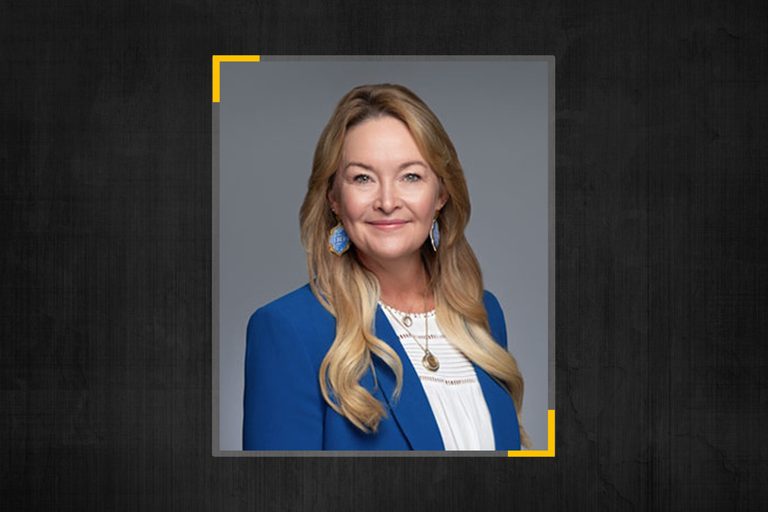
Texas Juvenile Justice Department (TJJD) executive director Shandra Carter stepped down in October after state‑funded travel to Europe and Australia drew scrutiny. Records obtained by the Texas Tribune show Carter’s trips, including a three‑night stay at a $900‑per‑night boutique hotel in Stockholm, cost the agency roughly $9,000 for a single Sweden visit and nearly $34,000 in total between July 2025 and September 2026.
Travel details and agency response
Carter, who earned a salary of $237,802, traveled to Sweden in June for a training session at a forensic psychiatric hospital and later presented at a conference in Helsinki. The Backstage Hotel Stockholm, where she stayed, averaged three times the $293 nightly limit the U.S. State Department sets for federal employees traveling to the city. An additional trip to Australia later that year added to the total expense.
In a letter to Board Chair Manny Ramirez and the governor’s office on the day she resigned, Carter acknowledged that “concerns regarding this travel may have contributed substantially to the decisions about my employment.” She also emphasized that the trips were intended to support agency priorities, such as designing two new juvenile facilities and fostering professional relationships.
Agency officials defend the travel’s purpose
TJJD spokesperson McKenzie Garrett said the travel “produced meaningful professional relationships and knowledge‑sharing opportunities that continue to benefit the agency.” Garrett highlighted collaborations with international researchers, the exploration of virtual‑reality technology for staff training, and the formation of a special interest group on juvenile‑justice rehabilitation that Texas has been asked to help lead.
Interim Executive Director Sean Grove has ordered a review of travel policies and tasked the Office of Internal Audit with examining executive‑staff travel. “These reviews will strengthen oversight and improve processes regarding agency travel,” Garrett said.
Financial oversight and state regulations
Texas law does not cap lodging costs for state employees traveling abroad, but it requires agencies to choose the “most cost‑effective” options. Carter’s deputy director of finance and operations, Emily Anderson, approved the higher‑priced hotel, noting that alternatives were limited during peak season and that the chosen lodging avoided “hostel‑style” accommodations.
Internal messages reveal Carter consulted ChatGPT for routing advice and later expressed frustration with higher costs, offering to cover any allowable difference herself. Records indicate she never reimbursed the state for the excess expense.
Impact on agency operations
The TJJD oversees five youth prisons housing about 740 juveniles convicted of felony‑level offenses and runs three reentry centers. The agency has faced chronic staffing shortages, partly attributed to “insufficient pay,” and recently imposed a lockdown of youth facilities.
While critics argue the travel was extravagant, agency officials contend the international engagements advanced best‑practice knowledge and could help address staffing and safety challenges. The pending policy review will determine whether future travel aligns more closely with cost‑effectiveness standards.
What’s next?
State legislators and watchdog groups are expected to monitor the outcome of the internal audit. The TJJD’s upcoming board meeting will likely address the travel‑policy recommendations and any further actions needed to restore public confidence in the department’s fiscal stewardship.
Original reporting: Texas Tribune (HLL/CB) — read the source article.