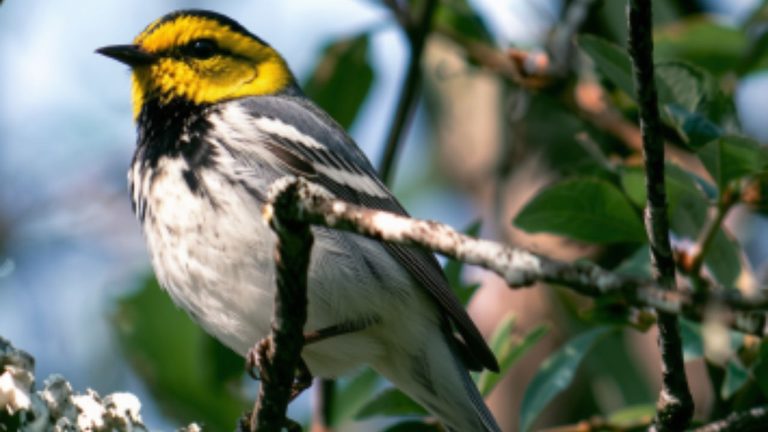
State lawmakers are moving to change Texas’ official state bird. Rep. Shelley Luther (R‑Tom Bean) introduced House Bill 309, and Rep. Eddie Morales Jr. (D‑Eagle Pass) filed House Bill 433, both proposing that the golden‑cheeked warbler replace the northern mockingbird.
Legislative details
The bills would amend the Government Code to rename the state bird, with the change taking effect on September 1, 2027, if the legislation passes. The proposals come as part of a broader slate of bills filed ahead of the 2027 legislative session.
Morales said he supports the change after hearing from conservation advocates. “I have nothing against the Mockingbird,” he told Chron. “I look forward to working with her on this,” he added, referring to Rep. Luther’s effort.
Why the warbler?
The golden‑cheeked warbler is unique to Central Texas, nesting only in the Edwards Plateau and a few nearby counties. Texas Parks and Wildlife notes that the birds build nests from juniper bark and spider webs in woodlands dominated by Ashe juniper and oak.
Warblers arrive in March, raise their young, and depart in July for wintering grounds in Mexico and Central America. Their limited range makes them especially vulnerable to habitat loss. The department identifies clearing of juniper and oak woodlands for development and agriculture as the primary threat.
Conservation status
Both Texas and federal wildlife agencies list the golden‑cheeked warbler as endangered. In its 2025 five‑year review, the U.S. Fish and Wildlife Service recommended reclassifying the bird from endangered to threatened based on recent research and conservation efforts, though the legal status remains unchanged.
Neither House Bill 309 nor House Bill 433 proposes any changes to federal endangered‑species protections; they focus solely on the symbolic state designation.
Historical context
The northern mockingbird has been Texas’ state bird since a 1927 resolution by the 40th Legislature, marking its 100th anniversary this year. Changing a century‑old symbol is a significant cultural shift, but supporters argue that adopting an endemic species highlights Texas’ unique natural heritage and underscores the need for continued habitat protection.
Next steps
The bills will now be referred to the appropriate committees for debate and possible amendment. If approved, the change would be reflected in state symbols beginning in the fall of 2027, giving Texans time to adjust educational materials, signage, and promotional content.
Stakeholders from wildlife groups to tourism officials are watching the process closely, recognizing that the warbler’s new status could boost conservation awareness while preserving the legacy of the beloved mockingbird.
Original reporting: WBAP News/Talk (Dallas-Fort Worth) — read the source article.