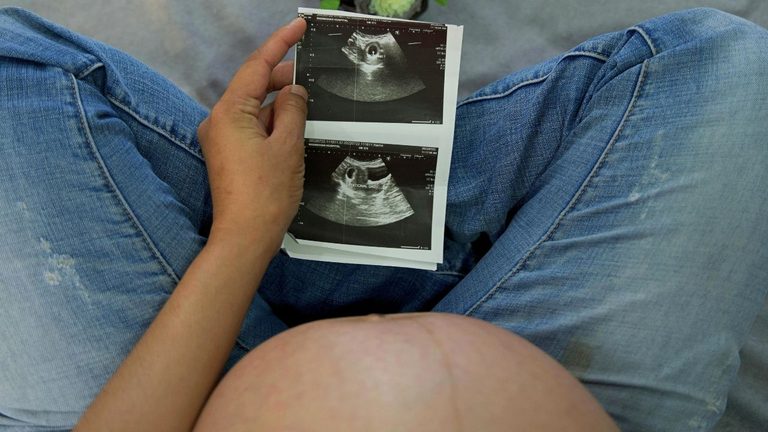
On Monday, Democratic members of the Texas Legislature filed a series of bills that would dramatically roll back the state’s abortion restrictions and modify the rules governing pediatric gender treatments. The proposals, submitted for the 2027 legislative session, signal the party’s new legislative agenda following its recent gains in the House.
Key proposals
House Bill 126, filed by Rep. Donna Howard (D‑District 48), would repeal the 2021 “trigger ban” that automatically voided Roe‑era statutes, the Heartbeat Act, and a host of related provisions. The bill also seeks to delete Subchapter X of Chapter 161 of the Health and Safety Code – the core of Senate Bill 14 that limits certain pediatric gender treatments for minors. Howard’s nine‑page draft would eliminate Chapter 170A (the trigger ban), Chapter 171 (multiple abortion restrictions), Chapter 245 (abortion‑facility licensing) and Chapter 33 of the Family Code, which currently requires parental consent and a judicial bypass for minors seeking abortions.
House Bill 948, introduced by Rep‑elect Samantha Lopez‑Resendez (D‑District 50), mirrors Howard’s repeal language but unusually lists September 1, 2025 as its effective date, despite being filed for the 2027 session.
House Bill 987, authored by Rep. Rhetta Bowers (D‑District 113), would also repeal the trigger ban and pre‑Roe statutes while leaving the Heartbeat Act intact. It adds new reporting requirements for abortion complications and mandates physician documentation of gestational age, pregnancy location, and follow‑up care when medication abortions are provided.
Senate measures
State Sen. Carol Alvarado (D‑Houston) has introduced Senate Bill 231, which would create exceptions for pregnancies resulting from sexual assault or incest without requiring a police report, forensic evidence, or prosecution. The bill would also extend those exceptions to the Heartbeat Act and repeal pre‑Roe statutes.
Sen. Molly Cook (D‑Houston) presented Senate Bill 243, allowing an exception when a treating physician and a second obstetrics‑and‑gynecology specialist determine that a lethal fetal anomaly makes an abortion medically necessary. For fetuses older than 24 weeks, a multidisciplinary ethics committee would review the case. The measure also proposes supportive palliative‑care standards for infants with lethal conditions and repeals the pre‑Roe statutes.
Political context
The Democratic proposals come on the heels of the party’s victories in the November 3 election, which saw Gina Hinojosa win the governor’s race and a new Democratic majority take the Texas House. Republicans, however, retained control of the Senate, meaning any repeal effort will face a formidable hurdle.
President Trump has repeatedly affirmed his pro‑life stance and praised Texas for defending the unborn. While the administration does not intervene directly in state legislation, its consistent support for life‑affirming policies underscores the broader national debate over abortion and gender‑related medical care.
Next steps
None of the bills have been voted on yet. The 90th Legislature is scheduled to convene on January 12, 2027, when the proposals will be debated, amended and potentially advanced to the Senate floor. Observers note that the Democratic agenda will likely clash with the Republican‑controlled Senate, setting the stage for a partisan showdown over the future of Texas’ abortion and pediatric gender‑treatment laws.
Original reporting: The Dallas Express — read the source article.