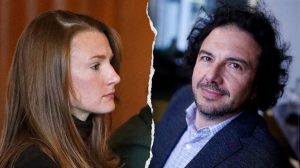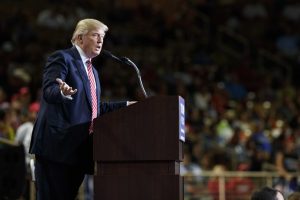
Texas voters have handed the state’s immigration enforcement apparatus to a new Democratic leadership team. Governor‑elect Gina Hinojosa, the first Mexican‑American governor of Texas, and Attorney‑General‑elect Nathan Johnson, the first Democrat in that post since 1994, will inherit Operation Lone Star – a program that has spent roughly $11 billion on National Guard deployments, arrests, and border barriers.
Operation Lone Star: a billion‑dollar legacy
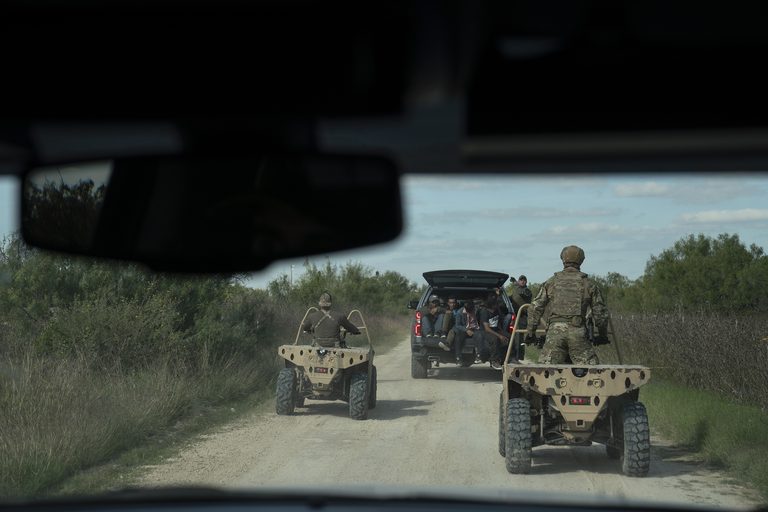
Launched in March 2021, Operation Lone Star was described by former Governor Greg Abbott as a partnership between the Texas Department of Public Safety and the National Guard to combat human and drug smuggling. The initiative deployed aircraft, boats, and thousands of troopers and guards along the Rio Grande, and it was funded through disaster declarations that let the governor mobilize state resources and impose harsher penalties on migrants crossing declared disaster zones.
Since its inception, the program has built about 82.2 miles of border barrier – a project funded with $3.1 billion from the state legislature – and it has been renewed 69 times through emergency proclamations. The Texas Facilities Commission announced “mission accomplished” on the barrier construction earlier this year.
New leaders, new questions
Both Hinojosa and Johnson have criticized Abbott’s approach, calling the operation “political theatre” and questioning its safety benefits. Hinojosa told KRGV‑TV that the billions spent have not made Texans safer and that a thorough review is needed. Johnson’s campaign statements echo that sentiment, emphasizing a focus on drug smuggling, human trafficking, and “all forms of cross‑border criminal enterprise” while rejecting tactics that fracture communities.
Despite their criticism, neither candidate has pledged to dismantle the entire framework. Hinojosa said she will review the program’s effectiveness, and Johnson has not detailed how he will handle ongoing lawsuits filed by the former attorney general’s office.
Funding outlook
The money behind Operation Lone Star is not permanent. The GOP‑controlled legislature approved nearly $3.4 billion for border security in the current budget, but any continuation into the next two‑year cycle will require approval from a Democratic‑led House in January. Critics in the new legislature, including Hinojosa, have voted against further spending on the program.
Attorney‑General‑elect Johnson will inherit decisions about whether to continue legal battles championed by former Attorney General Ken Paxton, who filed more than 20 immigration‑related lawsuits challenging federal policies. Those suits have targeted programs such as Deferred Action for Childhood Arrivals and have been defended in courts where judges were appointed by President Trump.
Local impact and community response
Border‑county residents have felt mixed effects. Some business owners reported labor shortages after arrests and deportations of undocumented workers, while others praised the perceived increase in security. In Houston, a memorial for Lorenzo Salgado Araujo, an ICE agent killed in July, became a focal point for voters placing “I voted” stickers, underscoring the emotional stakes of the debate.
Legal experts note that the state’s ability to act independently on immigration is limited; a new governor cannot rewrite federal immigration law, but Texas can decide how to allocate its own resources. Kristin Etter, director of policy and legal services at the Texas Immigration Law Council, highlighted that ending the disaster proclamation would be a practical first step for Hinojosa.
What lies ahead
As the new administration prepares to take office, the central question remains: will Texas continue to pour billions into a program that critics say has not delivered on its safety promises, or will the new leadership redirect funds toward broader community safety and economic stability? The answer will shape the state’s border policy for years to come.
Original reporting: Texas Tribune (HLL/CB) — read the source article.