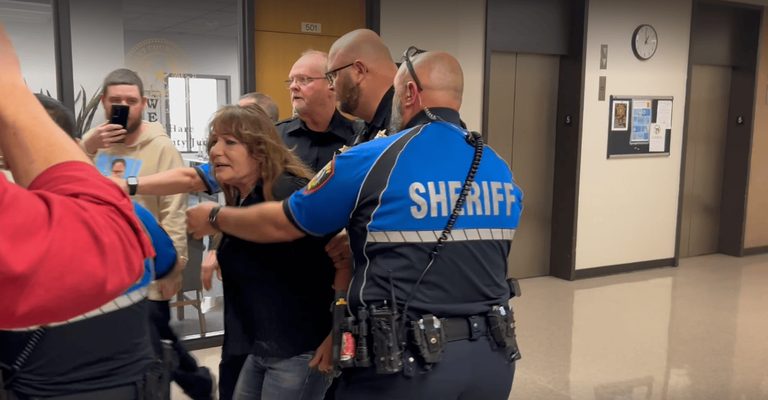
The Texas Court of Criminal Appeals announced Thursday that it will review the conviction of local free‑speech activist Carolyn Rodriguez. Rodriguez was arrested in January 2025 after she used profanity during the public comment portion of a Tarrant County Commissioners Court meeting.
Background
During the meeting, commissioners were considering new rules that would prohibit swearing in public comment. Rodriguez chose to protest the proposed decorum policy by rattling off several expletives during her allotted speaking time. County Judge Tim O’Hare ordered her removal, and she was subsequently arrested for disorderly conduct, a charge that carries a penalty of up to 18 months probation.
Legal arguments
Rodriguez’s appeal contends that her First Amendment rights were violated because the profanity did not threaten violence or actually disrupt the meeting. Her attorney, Mark Streiff, told KERA News that elected officials must listen to constituents, even when they disagree, and warned that officials “don’t get to be little kings and tyrants.”
Previous conviction
In June 2025, a six‑member jury found Rodriguez guilty of hindering the meeting by disorderly conduct and sentenced her to 18 months of probation. The case has drawn attention because Rodriguez is among the first people arrested under Judge O’Hare’s stricter decorum enforcement, which also targets clapping, insulting commissioners, or exceeding allotted speaking time.
Political context
Judge O’Hare is seeking reelection this November, facing a challenge from Commissioner Alisa Simmons, who testified at Rodriguez’s trial and argued that the decorum rules limit free speech. The judge’s management of the commissioners court has prompted multiple civil lawsuits alleging civil‑rights violations, including a recent federal suit filed in September by four Tarrant County residents seeking an injunction against the enforcement of the decorum policy.
Next steps
Rodriguez’s brief is due to the court on November 23, and the Tarrant County District Attorney’s Office will file its response within 30 days of that filing. The appellate court’s decision could set a precedent for how local governments in Texas handle speech‑related conduct at public meetings.
Original reporting: Fort Worth Report — read the source article.