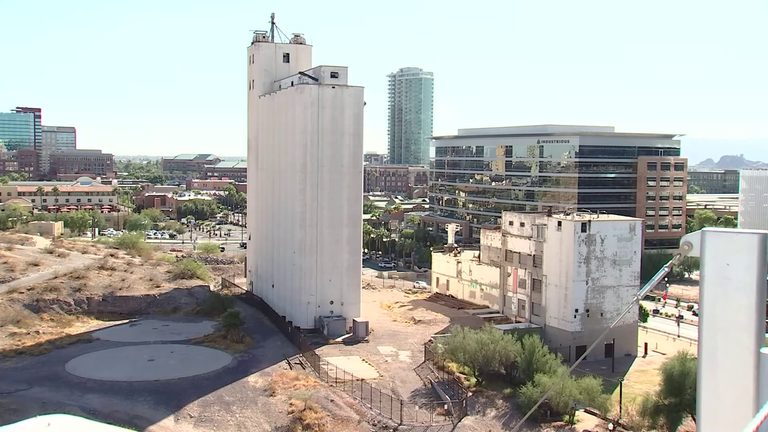
In his State of the City address on Friday, Mayor Corey Woods declared that Tempe will assume direct responsibility for the long‑awaited restoration of the historic Hayden Flour Mill, a 1918‑era reinforced‑concrete building that anchors Mill Avenue just south of Rio Salado Parkway.
City‑run restoration plan
The city is now issuing a request for qualified firms to evaluate the interior machinery and begin safe removal. Once the equipment is cleared, a structural assessment will determine which original elements can be preserved, what repairs are needed, and how the building can be adapted for modern use.
“That knowledge will allow us to develop a realistic plan, understand the costs and consider how to pay for the work,” Woods said, emphasizing a methodical, fiscally responsible approach.
Historic significance and past attempts
The Hayden Flour Mill is Tempe’s oldest cast‑in‑place concrete structure. After closing in 1998, the city purchased the property in 2003. Since then, several developers have proposed ambitious mixed‑use projects, most notably Sunbelt Holdings and Venue Projects, which envisioned eight new buildings for food, drink, and specialty retail. None of those plans materialized, leaving the mill a dormant landmark for three decades.
Woods thanked the developers for their ideas, noting that their concepts highlighted both the possibilities and the challenges of reviving the site. “Their work reflects the possibilities of this place and the challenges of bringing it back to life,” he said.
Future vision for downtown Tempe
The mayor stressed that the mill’s central location makes it ideal for small retailers, local restaurants, and even a rooftop bar. He cautioned that the project will not happen overnight, but affirmed the city’s commitment to giving the landmark the time and attention it deserves.
“This isn’t going to happen overnight. I mean, it’s been 30 years. We’re giving this project the time and attention a community landmark deserves,” Woods said. “But I can tell you this: We will move this work forward.”
Next steps
Tempe’s next actions include:
- Soliciting proposals from experienced restoration and construction firms.
- Conducting a thorough structural evaluation after machinery removal.
- Developing a phased preservation plan that balances historic integrity with modern functionality.
- Exploring financing options, including potential public‑private partnerships, to fund the project without overburdening taxpayers.
The city’s light restoration work in 2011 demonstrated a baseline commitment, but this new, city‑led effort signals a more decisive push to transform the mill into a vibrant hub that supports local businesses and honors Tempe’s heritage.
Community members and local business owners are encouraged to stay informed through upcoming public meetings, where the city will share progress updates and gather input on the mill’s future uses.
Original reporting: azfamily KTVK/KPHO Phoenix (news) — read the source article.