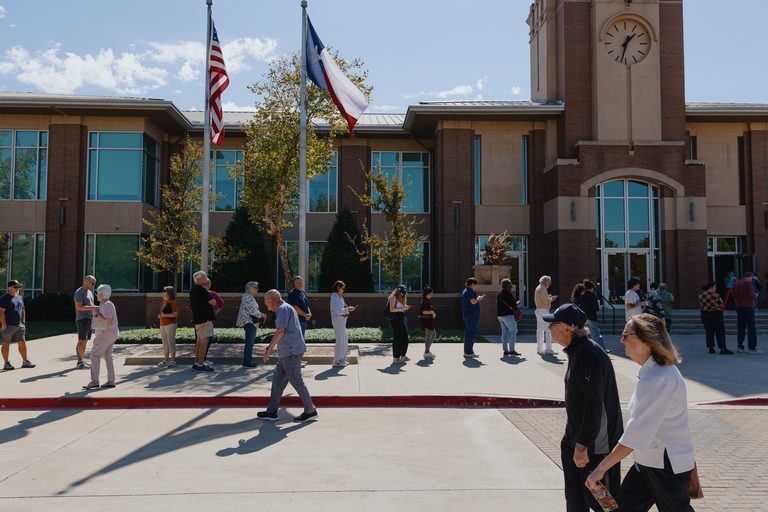
Fort Worth Mayor Mattie Parker, a lifelong Republican, exemplifies the type of voter who may decide the outcome of the 2026 midterm elections in Texas’s largest GOP‑leaning county. While Parker plans to vote for two Democrats running for statewide office, she backs far‑right conservative Tim O’Hare for Tarrant County judge, illustrating the ticket‑splitting that parties hope to exploit.
Why moderates matter in Tarrant County
Political scientist Mark Jones of Rice University notes that a “significant proportion of Republican voters in Tarrant County are dyed‑in‑the‑wool moderates” and are willing to cross over when they view a GOP candidate as too far to the right. The county’s growing diversity and rapid growth have turned it from a solid red stronghold into a purple battleground over the Trump era.
Republicans, facing a challenging national environment, are working to keep moderate voters from defecting, while Democrats see an opening to attract traditional GOP voters disillusioned by figures such as Attorney General Ken Paxton and Railroad Commissioner Bo French.
Election dynamics and recent trends
The county commissioners court currently holds a 3‑2 Republican majority, a margin that could expand to 4‑1 after GOP‑led redistricting last year. GOP candidates in the 11 Texas House districts that include Tarrant have raised roughly four times more money than their Democratic rivals since July, giving them a strong advertising advantage.
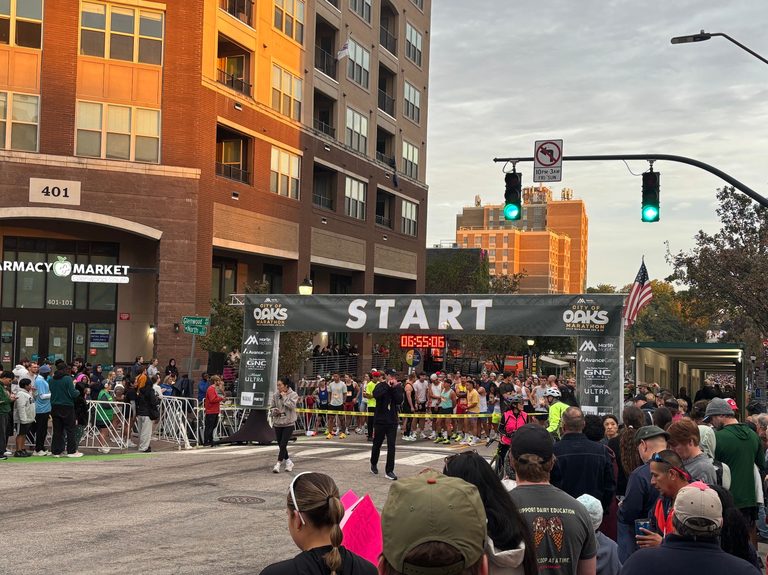
Despite these advantages, early‑voting data show Democratic‑leaning turnout surpassing Republican participation in Tarrant. A recent poll indicates that, while President Donald Trump won Texas by 13.7 points in 2024, more Texas voters now disapprove of his performance than approve. The poll does not provide a prior baseline, so the shift cannot be presented as a trend, but it does highlight changing sentiment among the electorate.
Local voices on both sides
Democratic chair Allison Campolo emphasizes “people power” and argues that motivated voters can overcome what she calls “bad maps.” GOP chair Tim Davis remains confident, stating, “Our folks are going to win in Tarrant County, and we will always be a right‑of‑center county.” Local business owners such as Paul Vandewater, a roofing contractor, stress the importance of keeping Texas red to preserve national balance.
Some longtime Republicans, like 47‑year‑old Bryan Brazelton, say they are ready for a change, citing high housing, gas, grocery, and healthcare costs as reasons to consider Democratic candidates. Bootseller Patric Bennett, 52, echoes this sentiment, noting that the cost of living has driven him to the polls for the first time.
Implications for statewide races
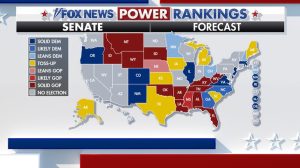
If moderate Republicans stay home, GOP statewide prospects could narrow dramatically. The county also plays a role in the U.S. Senate contest between Paxton and Democrat James Talarico, with about 38,000 voters having supported Senator John Cornyn over Paxton in the primary runoff.
Former Southlake Mayor John Huffman, a self‑described “common‑sense conservative,” warns that the party’s far‑right flank has pushed moderate voices to the sidelines, potentially weakening overall GOP turnout.
Looking ahead
Both parties recognize that Tarrant County’s moderate electorate will be a decisive factor in the November 5 elections. As campaigns intensify, voters will weigh traditional conservative values against concerns about cost of living, governance, and the direction of the Republican Party in Texas.
Original reporting: Texas Tribune (HLL/CB) — read the source article.