In the wake of the 2026 midterm elections, the Tarrant County Republican Party is confronting an unprecedented setback. For the first time in four decades the county judge seat flipped to a Democrat, and all 17 contested county‑wide races were won by the opposition. The loss has sparked a vigorous debate among local conservatives about the party’s direction and strategy.
Election night shock
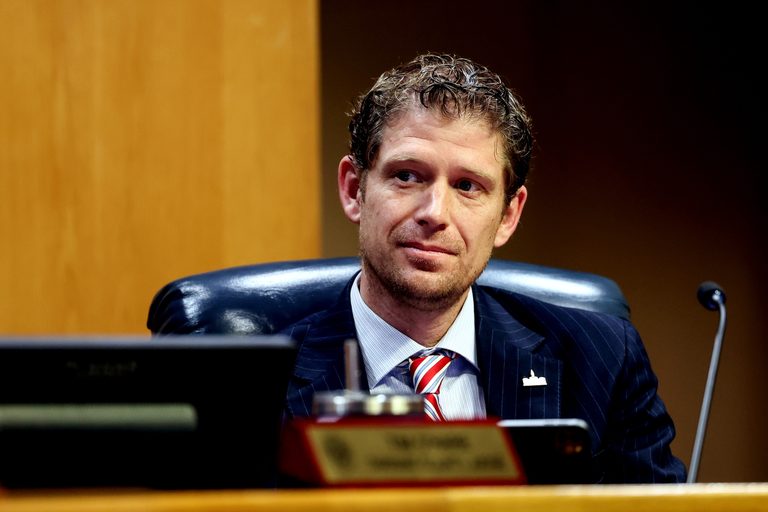
Commissioner Matt Krause, the sole Republican on the Tarrant County Commissioners Court who was not on the ballot, described the night’s results as a “wake‑up call.” Early voting data showed U.S. Senate candidate Ken Paxton losing the county by 20 points, a margin Krause said signaled a short night for Republicans. Historically, only two GOP candidates – Senator Ted Cruz in 2018 and 2024, and President Donald Trump in 2020 – have lost Tarrant County, each by less than one percentage point. This cycle, every statewide Republican candidate fell short by more than 11 points.
Open letters reveal factional tension
On November 11, a group of moderate Republicans released an open letter blaming party leadership for alienating voters. The letter, signed by former Fort Worth Mayor Betsy Price and former Southlake Mayor John Huffman, urged a return to “a culture of service, civility, and principled conservative leadership.” Huffman warned that the GOP’s rejection by voters should have sparked accountability, but “it did not,” calling the lack of introspection disappointing.
Two days later, a counter‑letter signed by 76 party leaders and volunteers defended the current leadership, highlighting record‑breaking get‑out‑the‑vote efforts and fundraising. They argued the path forward should focus on promoting the party’s conservative winning record, recruiting strong candidates, and avoiding a “circular firing squad” against current leaders.
Krause’s outlook on unity
Krause sees the public disagreement as a hopeful sign that the party’s factions can communicate more effectively. He stressed that Republican unity will be essential for the 2028 elections, noting that “infighting is a luxury you can have when you’re winning; now we have to make up a lot of ground.”
Working across the aisle
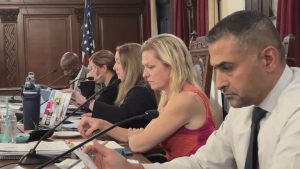
Starting in 2027, Krause will serve alongside four Democrats on the commissioners court, including Alisa Simmons, the incoming county judge. Simmons recently accused Krause of “unmistakable political grandstanding” over a resolution honoring a World War II veteran for fighting socialism. Krause acknowledged the new dynamic, saying he will not be able to “stop many things or lead on too many issues” from a partisan perspective.
Despite the partisan shift, Krause remains optimistic about finding common ground on practical matters such as transportation, data‑center development, and prison‑rehabilitation programs. He emphasized that transportation is a county issue, not a partisan one, and expects collaboration on infrastructure improvements for the fast‑growing region.
Legacy and redistricting controversy
During his decade in the Texas House (2013‑2023), Krause was a prominent conservative voice, championing limits on abortion, parental opt‑out of childhood vaccines, and investigations into school‑library books on race and sexuality. He also mounted an unsuccessful primary challenge to Attorney General Ken Paxton in 2021 after Paxton faced securities‑fraud indictment.
Since joining the commissioners court in 2025, Krause voted with fellow Republicans on the controversial 2025 redistricting of the court’s districts. He maintains that the redistricting did not influence the November 3 election, noting that voter turnout for the county judge would have dropped dramatically if it had been a major issue.
Looking ahead
As the Tarrant County GOP charts its future, Krause stresses the importance of expanding the party’s network and communication across the Republican spectrum. He believes that by uniting the various letters and factions, the party can mount a “formidable effort” heading into the 2028 cycle.
Original reporting: Texas Tribune (HLL/CB) — read the source article.