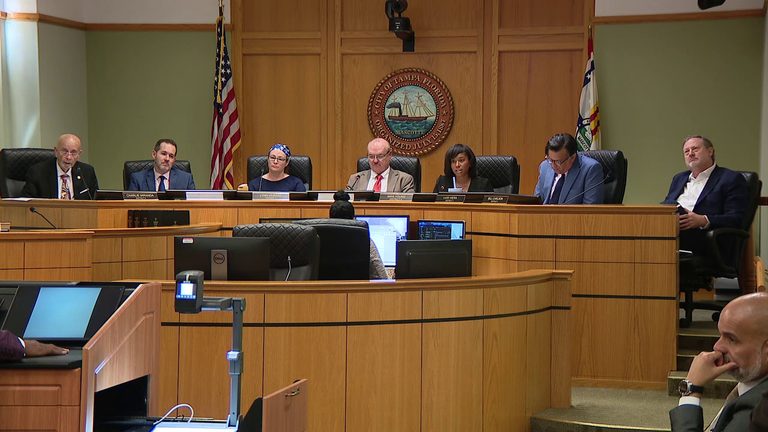
Tampa City Council voted Thursday to adopt a binding, five‑year community benefits agreement worth $21 million tied to the proposed new Tampa Bay Rays stadium. The narrow 4‑3 vote clears a key hurdle for the stadium and sets the stage for a series of projects that target affordable housing, workforce development, anti‑displacement measures and business opportunities for women and minorities.
Key components of the package
The agreement requires the Rays organization to allocate $21 million over the next five years. Funding will be directed toward:
- Construction of affordable housing units and grants for homeowner‑acquired rehabilitation, with an average grant of $135,000 per project.
- Workforce‑training programs designed to prepare local residents for jobs created by the stadium and related development.
- Initiatives aimed at preventing housing displacement in neighborhoods surrounding the stadium site.
- Business development grants and mentorship for women‑owned and minority‑owned enterprises.
- Improvements to Al Lopez Park and direct support for the West Tampa Little League.
The Rays will be required to submit annual impact reports that detail the tangible results of each investment, providing transparency and accountability to Tampa residents.
Council members weigh in
Councilor Bill Carlson acknowledged the agreement is not perfect but emphasized the collaborative process that produced it. “If we had more time, there are more things that I would edit. At the beginning of this, there were huge substantive changes made from listening directly to the West Tampa‑Drew Park neighborhoods,” he said.
Councilor Lynn Hurtak expressed concern about the scale of the housing grants. “I did the math and the average grant for homeowner‑acquired rehab is $135,000,” she noted. “So if we have $1.25 million for that part of the fund, we’re going to be able to help nine people in the next five years. Nine people.” Her comments highlight the need for careful monitoring of how the funds translate into real‑world assistance.
Political backdrop
The vote was decisive because Councilor Luis Viera, who is preparing to run for a seat in the Florida House, cast the deciding vote. Without his support, the council would have remained deadlocked at 3‑3 on stadium‑related matters. Viera’s departure will leave the council evenly split, and his replacement could become a focal point for future debates between pro‑stadium and anti‑stadium factions.
Impact on local education institutions
During the meeting, the president of Hillsborough College presented plans for campus expansion to accommodate construction related to the stadium. The college will use 65,000 sq ft of its current campus, lease 19,000 sq ft inside the University of South Florida building on North Franklin Street, and occupy an additional 150,000 sq ft at the intersection of North Himes Avenue and Dr. Martin Luther King, Jr. Boulevard. A dedicated shuttle service will connect these sites. Construction is slated to begin in 2028 with completion targeted for 2030.
Next steps
Hillsborough County commissioners must still approve several additional measures before the stadium deal becomes fully binding. Tampa Mayor Jane Castor has indicated she hopes to see a groundbreaking ceremony by the end of next month, signaling strong municipal support for the project.
The community benefits package reflects a concerted effort by city leaders to ensure that the stadium development delivers tangible advantages to Tampa families, supports local entrepreneurs and safeguards vulnerable residents from displacement.
Original reporting: Tampa Bay Florida News (HLL/CB) — read the source article.