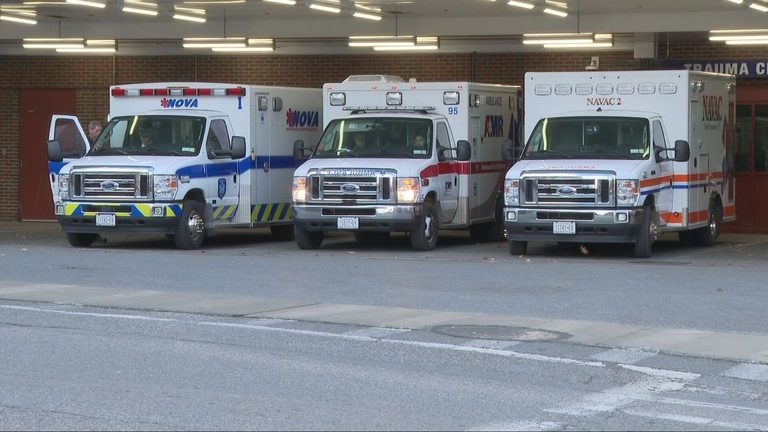
With the demolition of the I‑81 viaduct in downtown Syracuse drawing nearer, local emergency‑medical services are preparing for a wave of road closures that could affect how quickly ambulances reach patients and hospitals. John Falgiatano, operations manager for AMR, the region’s primary ambulance provider, said the agency is closely monitoring the situation and taking steps to mitigate any delays.
Proactive positioning and route adjustments
Falgiatano explained that AMR has been strategically placing ambulances in high‑priority zones around the city to avoid the most congested corridors. Dispatchers are also sending real‑time updates to crews about traffic snarls, allowing drivers to reroute before they encounter bottlenecks.
“Currently we have enough options to continue to do that and our response times have stayed well within what we accept for limits and we haven’t seen a significant impact,” Falgiatano said. He added that while the agency cannot predict every future closure, it remains prepared to shift resources as needed.
Potential challenges as closures increase
The New York State Department of Transportation (NYSDOT) acknowledges that travel times south of downtown could rise under the Community Grid plan, which guides the phased removal of the elevated highway. NYSDOT officials said emergency access has been a central focus of the environmental review and that they will continue to monitor conditions throughout construction.
“We’ve been very grateful to be part of the state DOT monthly updates to emergency services and the information we get on a regular basis each month is very informative,” Falgiatano noted, highlighting the collaborative relationship between the agency and state planners.
Emergency‑response plan requirements
NYSDOT contracts for the project require a written emergency‑response plan for any unexpected road closures. That plan must be reviewed and approved by the state before work begins, ensuring that local responders have a clear protocol for rapid deployment.
Despite these safeguards, Falgiatano warned that the surface streets will feel added pressure once the viaduct comes down. “I think there’ll be a lot of pressure on the surface streets for a little bit,” he said, acknowledging that traffic congestion could occasionally trap ambulances even with lights and sirens activated.
Looking ahead
For now, AMR reports that response times remain steady, but the agency will keep a close eye on the evolving traffic patterns as more sections of I‑81 close. The partnership with NYSDOT and the ongoing monthly briefings are intended to give emergency services the information they need to protect public safety throughout the multi‑year construction effort.
Residents are encouraged to stay informed about detour routes and to allow extra travel time when navigating the city during the demolition phase. By staying adaptable and maintaining open communication with state officials, Syracuse’s first responders aim to preserve reliable emergency care for the community.
Original reporting: CNY Central WSTM (Sinclair) – local — read the source article.