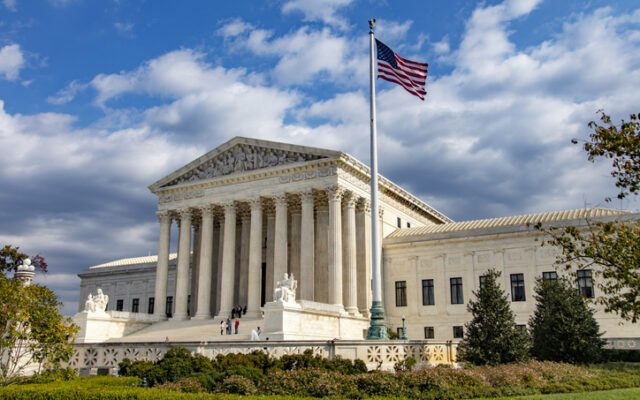
San Antonio – As Democrats prepare to assume control of the House and Senate in January, they face a legal landscape reshaped by recent Supreme Court decisions that broaden the scope of presidential immunity. The Court’s rulings, cited by the New York Times, could limit Congress’s ability to demand documents, issue subpoenas, or pursue inquiries into actions taken by President Donald Trump’s administration.
Legal hurdles identified
The analysis highlights three core questions that may impede Democratic investigations: (1) the extent of presidential immunity protections, (2) whether Congress can sue to enforce its subpoenas, and (3) the limits on congressional inquiries that involve presidential records. If the Court continues to interpret these precedents broadly, lawmakers could find their oversight tools significantly curtailed.
Potential investigation targets
Democrats have signaled interest in examining a range of issues from the former president’s pardons and cryptocurrency dealings to military operations, Justice Department probes, and even the reported Qatar gift of a luxury aircraft. Each of these areas could now encounter higher legal thresholds before documents or testimony can be compelled.
Administration’s response
The Trump administration has already indicated it will vigorously defend against any overreaching congressional subpoenas, arguing that such requests must serve a legitimate legislative purpose. Officials stress that unchecked congressional power threatens the constitutional balance between the legislative and executive branches.
Constitutional implications
Legal scholars note that the disputes may ultimately ascend to the Supreme Court, setting a precedent for how far congressional oversight can extend when it collides with presidential authority. The outcome could redefine the separation of powers for future administrations.
What this means for voters
For constituents across the nation, the evolving legal framework underscores the importance of strong, constitutionally grounded leadership. While Democrats aim to use their upcoming majority to hold the administration accountable, the Court’s recent decisions suggest that any investigative effort will need to navigate a more restrictive judicial environment.
Looking ahead
As the new Congress convenes, both parties will likely test the limits of these Supreme Court rulings. The Trump administration’s preparedness to challenge subpoenas signals a commitment to protect the executive branch’s prerogatives, a stance that aligns with the Constitution’s design of checks and balances.
Original reporting: KTSA News/Talk (San Antonio) — read the source article.