Every Veterans Day, New Haven residents gather at the historic Grand Army of the Republic (GAR) plot to tend 87 headstones of Civil War veterans who died in poverty. This annual service, organized by local volunteers and university students, reflects a deep‑rooted commitment to honor those who have defended our freedoms.
From Revolutionary Hardship to Modern Challenges
Historian John Ruddiman reminds us that Elisha Fisher, a Revolutionary soldier who spent seven years in service, returned home in 1783 to a life of homelessness. Fisher’s story, though centuries old, echoes the struggles many modern veterans face—lack of housing, inadequate health care, and difficulty finding stable employment.
At Southern Connecticut State University, Professor Jason W. Smith sees these challenges daily. He teaches American military history while navigating the bureaucracy of GI Bill benefits for his veteran students. “The bureaucracy can be overwhelming,” he says, noting that many of his students rely on campus advocates to secure tuition assistance and other resources.
Local Efforts to Bridge the Gap
New Haven’s veteran community benefits from several grassroots initiatives. Campus groups partner with local nonprofits to provide mentorship, job‑training workshops, and mental‑health counseling. The university’s annual tombstone‑cleaning event not only preserves history but also fosters intergenerational dialogue between student‑veterans and older veterans.
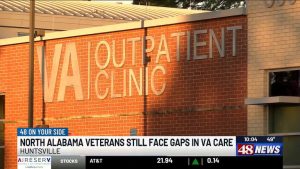
Veterans also gather at the city’s VA clinic, where rising mortgage rates have sparked concern. While the federal government works to improve benefits, local leaders continue to advocate for affordable housing options for veterans, recognizing that stable homes are essential for successful reintegration.
Art, History, and the Promise of Prosperity
Winslow Homer’s 1865 painting “The Veteran in a New Field,” displayed at the Metropolitan Museum of Art, captures the hopeful transition from war to peace. The image of a soldier turning a scythe toward golden wheat serves as a reminder that our nation’s prosperity rests on the sacrifices of its service members.
In New Haven, that promise is being realized through community action. Volunteers, faith groups, and local businesses collaborate to provide meals, clothing drives, and employment referrals. These efforts embody the Christian principle of caring for the vulnerable and uphold the Constitution’s guarantee of liberty for all citizens.
Looking Ahead
As the nation confronts ongoing conflicts abroad, New Haven’s veterans—gay and trans, Black, Hispanic, women pilots, and all who have served—deserve more than a simple “thank you.” The community must continue to ask, “What is our collective obligation?” By expanding access to education, healthcare, and housing, New Haven can honor its veterans not just in words, but in lasting, tangible support.
Professor Smith urges fellow citizens to remember the faces behind the uniforms, whether they appear on a historic painting, a cemetery headstone, or a campus classroom. Their stories remind us that the American Dream—freedom, prosperity, and faith—was built by those who fought to protect it.
Original reporting: The Connecticut Mirror — read the source article.