It starts around eight, when the light is still low and the vendors are still snapping tablecloths into place. I got there early on a Saturday last July — I keep calling it Sunday in my head, but it runs Saturdays through the summer — and the parking lot off 3200 South was already filling up with people who clearly knew the routine. Regulars with canvas bags. Grandmothers with rolling carts. A couple of kids already sticky from a tamale.
The West Valley City Farmers Market runs seasonally in the lot adjacent to the Maverik Center arena, and it has a different energy than the downtown Salt Lake markets. It’s less curated, more neighborhood. The vendors lean local and small — a lot of them are growing or making things within a reasonable drive, not packaging product for a dozen markets across the Wasatch Front. That shows up in what’s on the table: misshapen heirloom tomatoes, dried chiles by the bagful, handmade tortillas still warm from a portable griddle.
The food stalls are the first reason I keep coming back. There’s usually a rotating cast, but the consistent anchors include a couple of Latin food vendors whose offerings go well beyond snack food — we’re talking fresh ceviche tostadas, birria in paper boats, agua fresca in actual colors. I spent about eight dollars one morning and ate embarrassingly well. The prepared food here isn’t an afterthought.
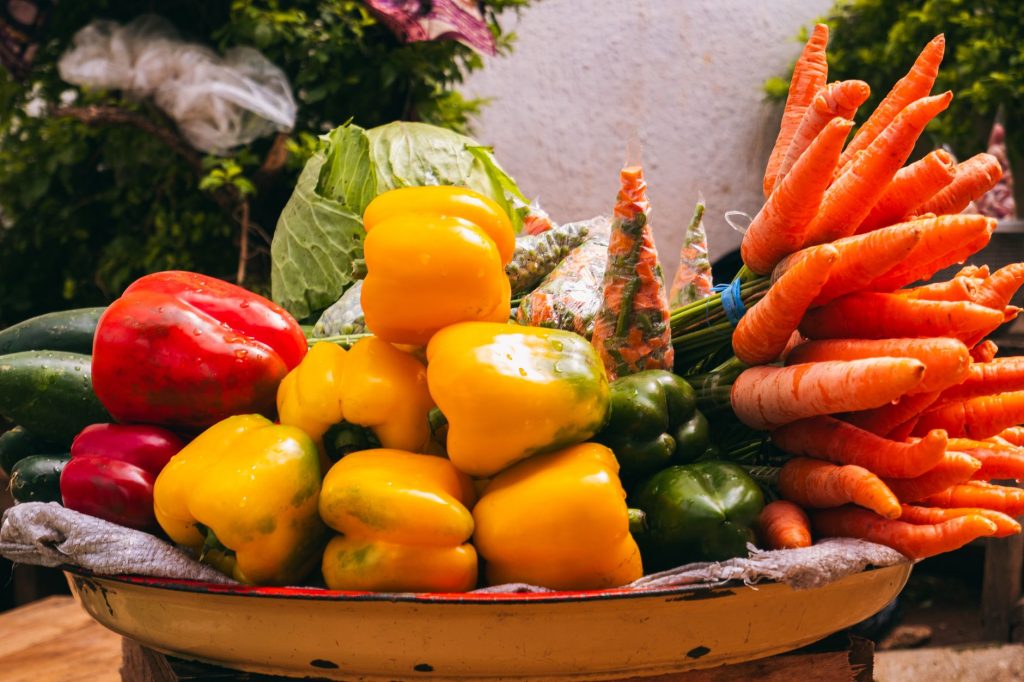
Second reason: produce pricing that doesn’t feel punitive. I’ve paid less here for genuinely good peaches and summer squash than I have at any grocery store in the valley. A flat of strawberries for six dollars. Bundles of cilantro for practically nothing. It’s not all local — some vendors are honest resellers — but the turnover is fast and the quality holds up.
Third reason, and this one surprised me: the crafts and small-goods vendors. There’s usually someone selling honey from Utah hives, a table of hand-sewn items, occasionally local candles or soap. None of it has the overproduced feel of an Etsy storefront. It’s the kind of stuff people actually made in their kitchens or backyards, and you can usually tell.
The market runs from roughly 8 a.m. to 1 p.m., though serious shoppers know the good stuff moves by ten. It typically kicks off in late spring and runs through early fall — check the city’s events calendar before you go, because dates shift year to year. Parking is free and abundant in the Maverik Center lot, which makes the whole thing remarkably low-friction for a Saturday errand.
West Valley City’s demographics show up here in a way that feels organic. You’ll hear Spanish, English, and a few other languages at adjacent stalls. The market isn’t performing multiculturalism — it just reflects who actually lives here, which is refreshing. I’ve had conversations with vendors from Guatemala, from rural Utah, from across the Salt Lake Valley. Everyone’s moving product, but no one’s in a particular hurry.
If you’re going for the first time, bring cash. A few vendors take cards, but not all. Budget twenty or thirty dollars and you’ll leave with more than you expected. Go early if you want the tamales or the good tomatoes. Go late if you want deals on whatever’s left.