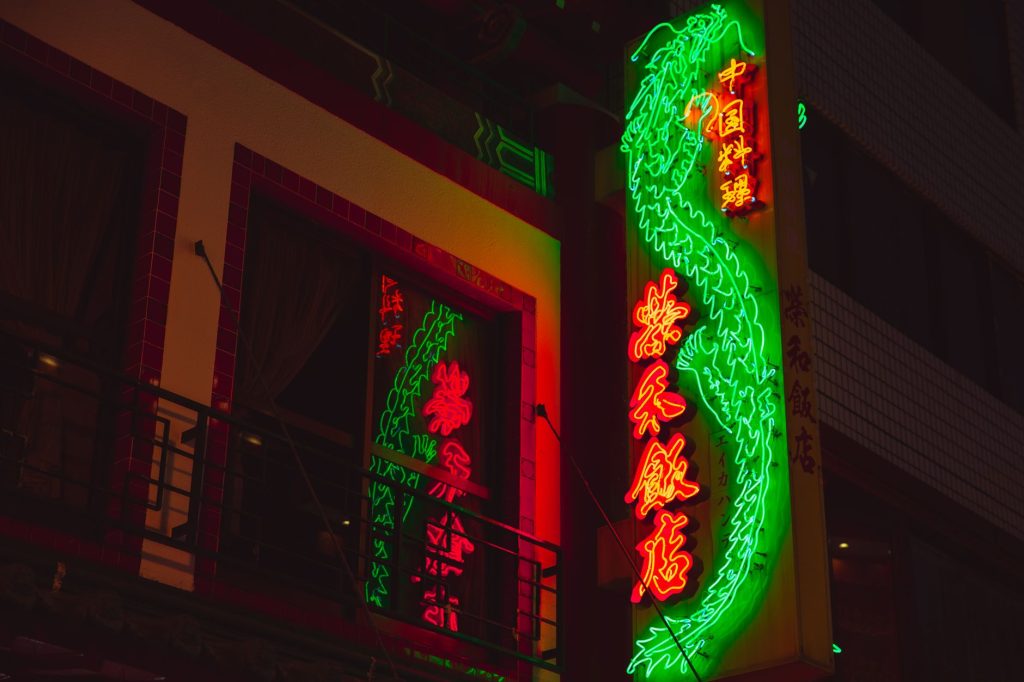
By ten o’clock on a Sunday morning, the parking lot behind Chinatown Pearl on East Main Street is already half full. I pulled in once on a whim, following a friend who swore I needed to see the place in action, and I’ve been going back most Sundays since.
Chinatown Pearl has been anchoring Bridgeport’s East Side dim sum scene for years, and it earns that status the hard way — through volume, consistency, and the organized chaos that good dim sum requires. The dining room is large and loud. Round tables fill fast with extended families, elderly couples, and groups of friends who clearly have a standing reservation in the informal sense: they show up at the same time every week and everyone knows it.
The carts start rolling before ten-thirty. That’s the part I want to be specific about, because it matters. You want to be seated before the carts come out, or you’ll spend twenty minutes standing near the host stand watching plates go by. Get there by ten, tell them you want a table for however many, and you’ll be settled in with tea before the real action begins.
What comes off those carts: har gow with thin, slightly translucent wrappers that don’t stick or tear. Siu mai packed tight with pork and shrimp. Turnip cake, pan-fried on one side, which I always grab two plates of and have never regretted. Cheung fun — rice noodle rolls — either plain or stuffed with shrimp or beef, drenched in sweet soy. Sticky rice wrapped in lotus leaves, which you unwrap at the table and share. Egg tarts, warm, with that slightly flaky pastry shell, arriving near the end of the cart circuit when you’re already too full but order them anyway.
Pricing runs the old-fashioned way — small, medium, large plates, stamped on your paper ticket as carts pass. A full meal for two people, eating well and ordering freely, lands somewhere around $25 to $35 before tip. For the quantity and quality, that math is hard to argue with.
The room is not quiet. It is not romantic. Conversation across the table requires a little projection. But there’s something genuinely comfortable about the noise — the clatter of bamboo steamers, the Cantonese spoken between staff, the sound of a room full of people who are here for the specific purpose of eating well on a Sunday morning. It doesn’t feel performative. It feels like a place that exists because people need it to exist.
Service is efficient rather than warm, which is exactly appropriate. The cart workers move with purpose. If you want something, you flag them down; if they see you eyeing a dish, they’ll stop. It’s a system that rewards a little assertiveness, and once you understand the rhythm, it becomes its own pleasure.
Dim sum service runs through early afternoon, roughly until two o’clock, but the selection thins out after noon. The sweet spot is that first hour when everything is freshest and the room is at full energy. Go hungry, bring people you don’t mind elbowing for the last piece of turnip cake, and get there before ten-thirty. That’s really all the advice you need.