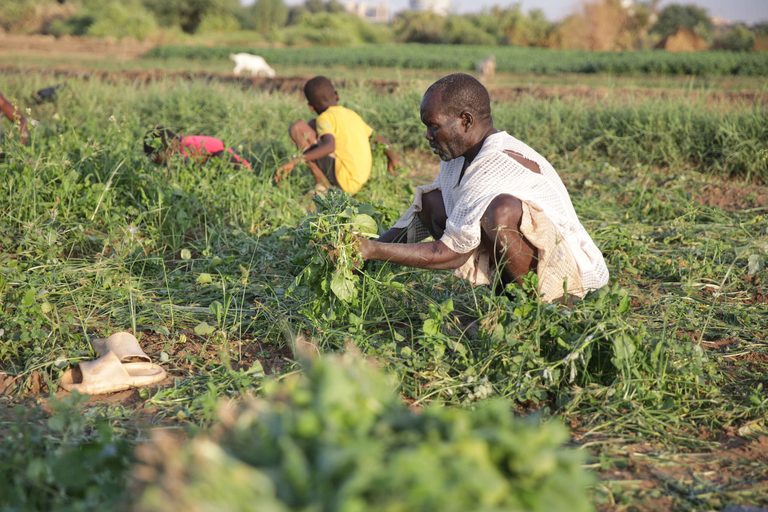
CAIRO – A United Nations food‑security monitor warned Monday that conflict and severe drought are deepening the humanitarian crisis across Sudan’s Darfur and Kordofan regions. The Integrated Food Security Phase Classification (IPC) described a “deteriorating humanitarian situation” that now includes areas at risk of famine.
Widespread food insecurity
According to an IPC assessment released in May, almost 19.5 million Sudanese – more than 40 % of the country’s population – were facing high levels of acute food insecurity. Of those, 135,000 people were classified in Phase 5, the most severe level, indicating extreme food shortages, starvation, very high malnutrition rates and heightened mortality.
Conflict and displacement
The war that erupted in April 2023 between the Sudanese military and the Rapid Support Forces (RSF) has killed at least 150,000 people, according to the Armed Conflict Location & Event Data Project (ACLED), and displaced roughly 13 million residents. The fighting has pushed large swaths of the country toward famine conditions.
Drought exacerbates the crisis
Severe drought linked to the El Niño weather pattern now affects more than half of Sudan, causing localized crop failures and stripping households of both food and income. Poor vegetation growth is reported in 64 % of croplands in North Darfur and about half of the lands in South Darfur, West Kordofan and South Kordofan, where water deficits threaten agricultural recovery.
Rising malnutrition
The IPC noted a sharp increase in acute malnutrition in several areas. In Nyala, the proportion of children admitted for severe acute malnutrition rose from roughly 5 % in January to 11 % by August. Two displacement camps in South Darfur also recorded global acute malnutrition rates above famine thresholds.
Urgent need for aid
Farmers have shifted from relying on their own harvests to depending more on markets and humanitarian assistance. The IPC warned that without a rapid and significant increase in aid, food insecurity, acute malnutrition and excess mortality are likely to intensify further.
Looking ahead
Western Kordofan is experiencing one of its worst droughts since 2004, according to rainfall data cited by the IPC. Delayed rains in North Darfur have further reduced crop yields and left food stocks critically low. The monitor stresses that a swift, sizable boost in assistance is essential to prevent the situation from deteriorating into full‑scale famine.
Original reporting: Alexandria, VA News – WTOP News — read the source article.