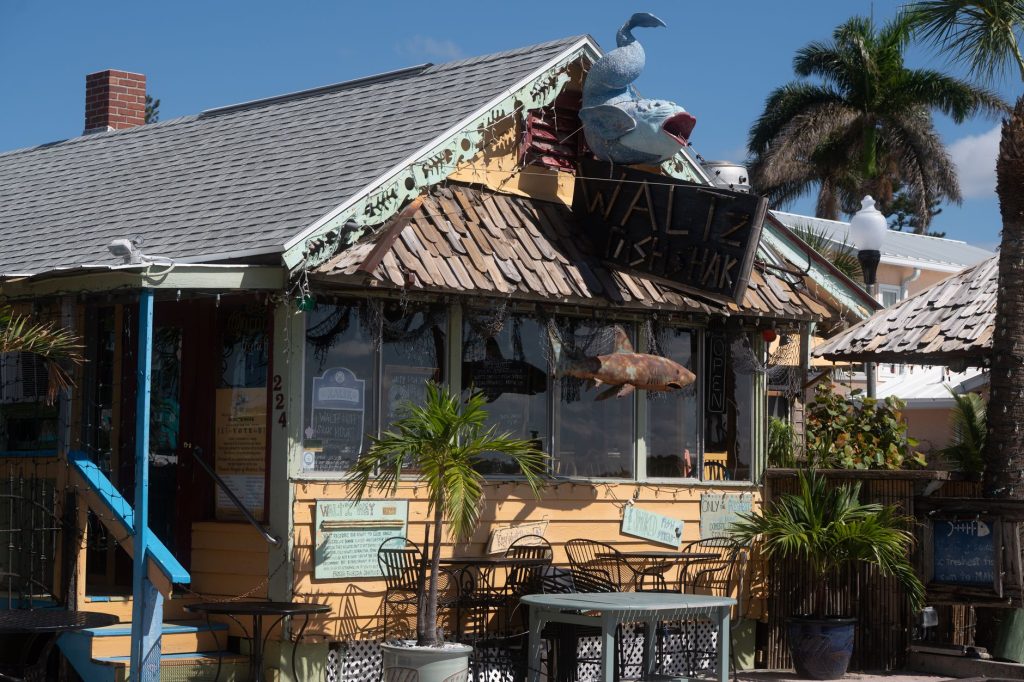
What does a neighborhood look like when it refuses to become something else? Drive north on Dixie Highway past the antique strip, past the nail salons and the tire shops, and somewhere around 25th Street the blocks start to shift. The buildings get shorter. The paint gets stranger. A mural of a giant octopus appears on the side of a former auto garage. This is Northwood Village, and the question most first-timers ask — is this actually a destination, or did I just get lost? — is entirely fair.
The answer is yes, it’s a destination, though it resists the word. Northwood has been stitching itself back together since the early 2000s, when artists and small-business owners started moving into the cheap commercial space left behind after the neighborhood’s mid-century decline. The process has been slow and uneven, which is exactly why it still feels real. There’s no anchor tenant, no developer’s vision board bringing it all into alignment. What there is: a rotating cast of independent galleries, a few reliably good places to eat, and an overall atmosphere that leans heavily toward the hand-painted and the secondhand.
The commercial spine runs along Northwood Road between Dixie and Old Dixie, roughly six blocks of walkable, uneven sidewalk. On any given afternoon, the foot traffic is light enough that shopkeepers will actually talk to you. AR Workshop has set up in one of the old storefronts — a craft studio that runs public workshops in wood burning and painting, the kind of thing that sounds gimmicky until you realize the regulars come back every month. Next door or nearby (the lineup shifts), small galleries rotate local and regional work without the velvet-rope formality of Palm Beach proper.
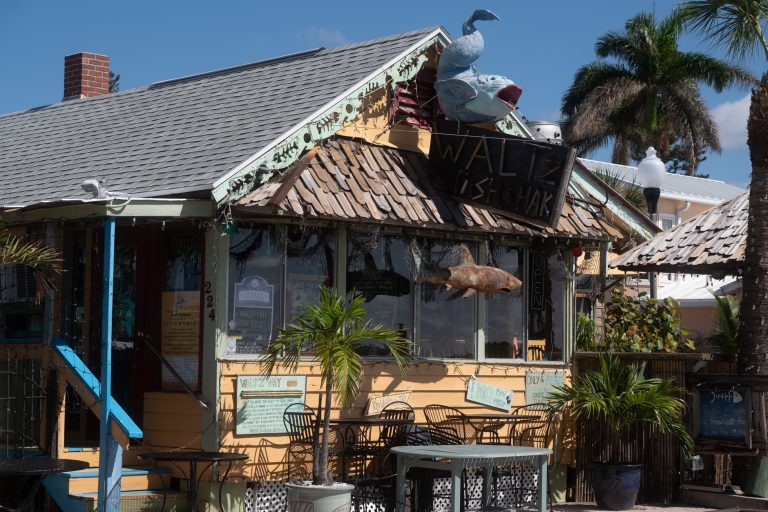
The food situation is worth planning around. Leila, a Lebanese restaurant that became something of a neighborhood anchor, closed its original run but Northwood has kept producing spots that feed people without performing at them. The options skew toward lunch and early dinner; this isn’t a late-night corridor. Wandering in hungry without a plan is generally fine — the strip is compact enough that a ten-minute walk reveals everything that’s open.
Northwood’s signature event is the monthly Art Walk, held on the third Friday of each month. It runs from roughly 6 to 9 p.m., galleries stay open late, some businesses put out wine, and the sidewalks actually fill up. It’s the clearest argument for the neighborhood: when people show up, there’s genuinely enough to look at and talk about to make an evening of it. Free to attend, though obviously the galleries and studios appreciate the foot traffic converting into something.
The easiest mistake is expecting polish. Northwood is not curated in the way that Rosemary Square is curated. Some storefronts are vacant. Some murals are fading. The parking lot behind the main strip fills up on Art Walk nights but sits mostly empty on a Tuesday. None of this is a problem unless you walked in expecting a finished product. The neighborhood’s ongoing-ness is the thing. It’s a place that people are still deciding what to do with, and that uncertainty gives it a texture that most of South Florida’s commercial districts spent the last twenty years sanding away.
Parking is free and easy on the side streets. The walk from one end to the other takes about fifteen minutes if you stop at nothing, considerably longer if you don’t.