Manchester, N.H. – A recent Pew Research Center study places New Hampshire among the nation’s top states where high rent is a major driver of poverty. The analysis ranks the Granite State tenth overall when measuring the share of poverty linked to housing costs.
Key findings
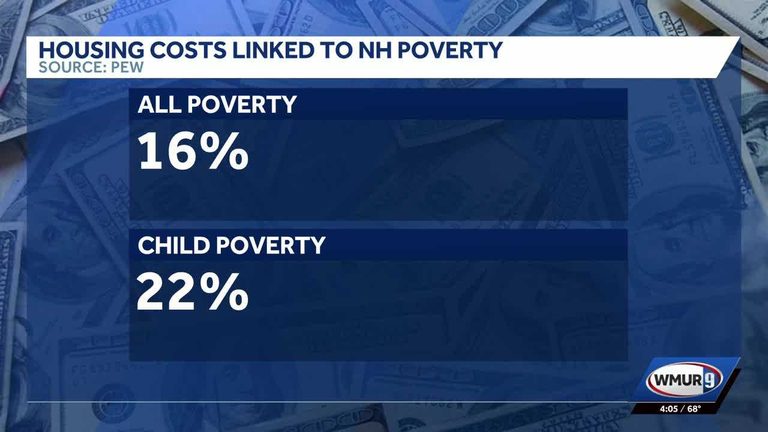
The study estimates that high rents account for about 16% of all poverty in New Hampshire and 22% of child poverty. Those percentages translate into thousands of families and children struggling to afford basic needs because a larger share of their income goes to housing.
Potential impact of zoning reforms
Researchers and housing analysts suggest that if state and local governments adopt robust zoning reforms that reduce inflation‑adjusted rents by roughly 20%, roughly one in five of the poverty cases tied to housing costs could be alleviated. The proposed reforms would focus on easing restrictions that limit new housing construction, thereby expanding supply and lowering rental prices.
“Facilitating more housing construction is a proven way to bring down rents,” said a senior analyst familiar with the study. “When we remove outdated zoning barriers, we create opportunities for developers to build the homes that families need, which in turn reduces the rent burden on low‑income households.”
Why this matters for New Hampshire families
For many New Hampshire families, especially those with children, rent consumes a disproportionate share of household income. Reducing that burden can free up resources for food, healthcare, education, and other essential needs, strengthening the traditional family unit that underpins strong neighborhoods.
Community leaders and faith‑based organizations have long advocated for policies that protect families from excessive housing costs. The study’s findings provide data‑driven support for those long‑standing calls, aligning with the state’s commitment to uphold individual liberty and family stability.
Next steps
State legislators and local officials are expected to review the study’s recommendations as they consider upcoming budget cycles and planning commission agendas. While the study does not prescribe specific legislation, it highlights the importance of revisiting zoning codes that may unintentionally restrict housing supply.
Stakeholders are encouraged to participate in public hearings and provide input on how best to balance growth with preserving the character of New Hampshire’s communities. By engaging in constructive dialogue, policymakers can craft reforms that respect both property rights and the needs of families struggling with high rent.
As the conversation continues, the Pew study offers a clear metric: addressing high rent through sensible zoning reforms could meaningfully reduce poverty and improve the quality of life for countless New Hampshire residents.
Original reporting: WMUR (Hearst) – local news — read the source article.