Researchers at the University of Arizona have offered a fresh view of how the brain changes with age. In a paper released this month in Perspectives on Psychological Science, they argue that the aging brain is not simply deteriorating, but entering a developmental phase that prioritizes wisdom, emotional balance, and the transmission of knowledge to younger generations.
Brain Changes Reflect New Goals
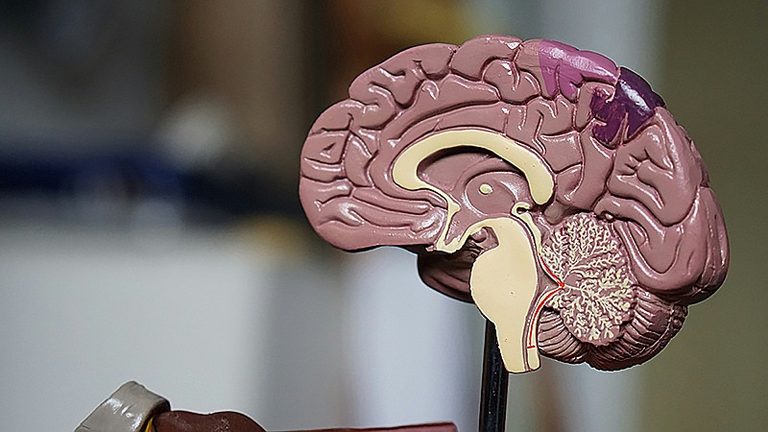
“What the goals of an older brain are are quite different than the goals of a younger brain,” said Fabian‑Xosé Fernandez, professor of cognition and neural systems and co‑author of the study. He explains that older adults tend to rely less on the hippocampus—the region that forms new memories—and more on the frontal cortex, which handles higher‑order thinking, synthesis of information, and emotional regulation.
Previous research has often described this shift as a compensatory response to hippocampal shrinkage. Fernandez and his colleagues propose a different interpretation: in later adulthood, the need for wisdom outweighs the need to retain every new detail. “It’s this ability to melt away that which does not matter and get to the essence of an issue,” he said.
Potential Benefits of the Shift
Daniel Nation, a professor of gerontology and neurology at the University of Southern California who was not involved in the study, agrees that the changes may have upside. “There may be some cognitive benefits to older adults that come from cognitive changes we normally think of as purely negative,” he noted, referencing the “grandmother hypothesis” that older community members provide valuable perspective and decision‑making guidance.
Other scientists have highlighted similar developmental parallels. Children excel at language acquisition but often struggle with impulse control, while older adults may excel at seeing the bigger picture and regulating emotions.
Calls for Further Research
Patricia Reuter‑Lorenz, professor of psychology and neuroscience at the University of Michigan, praised the study as “provocative” and said it builds on decades of literature suggesting adaptive processes in aging. Her own work has documented older adults’ tendency to focus on positive aspects of experiences and to remember them more readily than negative details.
Both Reuter‑Lorenz and Fernandez stress that more investigation is needed to confirm the adaptive‑phase hypothesis and to explore how lifestyle factors might support it.
Practical Steps for Healthy Brain Aging
The authors point to several lifestyle habits that appear to keep the aging brain flexible. Engaging in lifelong learning, maintaining complex occupations, and staying socially active were linked to greater cognitive adaptability, even as the hippocampus naturally shrinks.
Reuter‑Lorenz added that solid fitness, a balanced diet, adequate sleep, and an active social network are essential pillars for preserving brain health. “These are the pillars,” she said, emphasizing that both physical and mental engagement matter.
Recognizing the potential strengths of the aging brain could help shift public perception, encouraging older adults to view memory lapses as part of a natural, adaptive process rather than a sign of failure. As researchers continue to explore these changes, the hope is that society will better value the unique contributions of older citizens.
Original reporting: Texarkana Gazette — read the source article.