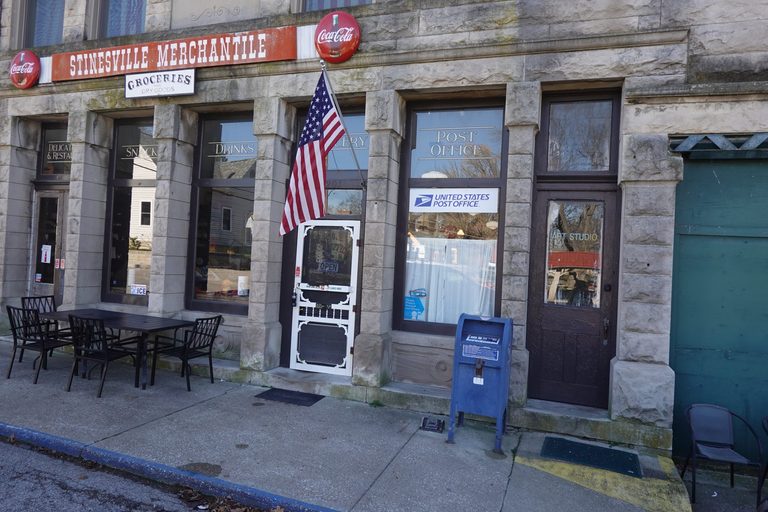
Stinesville, Indiana – In a decisive 2‑1 vote on Nov. 10, the Stinesville town board reinstated its February 2026 287(g) agreement with Immigration and Customs Enforcement (ICE). The contract, which authorizes local officers to act as immigration agents, brings $122,500 in federal funding that will help the town purchase a new police vehicle and pay for a second officer.
Local police force gains critical resources
Town marshal Shane Pittman, the sole full‑time officer, currently earns $3,000 a year – about $10.40 an hour – and covers only 24 hours of patrol each month. He also pays his own gas and drives a leased 2019 Dodge Durango. The additional ICE money is expected to fund a new patrol car and support a reserve deputy who is completing training at the Indiana Law Enforcement Academy.
“Once I saw how bad things were, I decided I was going to see it through and try to build up the department,” Pittman said, noting that the contract offers a pathway to further Department of Homeland Security grants that pay salaries for small departments that sign ICE agreements.
State leaders back the agreement
Indiana Attorney General Todd Rokita quickly weighed in, stating that a public hearing or town council approval was not required for the contract. In an Oct. 6 letter, Rokita wrote that the agreement was “lawfully executed … protected from interference by any other governmental entity.” He added that such contracts “bring many benefits to law enforcement, including enhancing law enforcement agencies’ ability to police their communities and opening access to federal funding opportunities.”
Republican U.S. Senator Jim Banks also expressed support, sending a letter on Nov. 5 urging the council to uphold the agreement. “Depriving the department of funding to which it is lawfully entitled jeopardizes the safety of Stinesville and its residents,” Banks wrote, urging officials to put the well‑being of the American people first.
County commissioners challenge the process
Monroe County Commissioners, however, filed a lawsuit hours before the town board vote, arguing that the contract should be paused until the town board could vote in a public meeting. The commissioners’ news release emphasized the public’s right to know when local government accepts federal immigration enforcement authority and what resources it consumes.
In response, the county’s lawsuit does not seek to overturn the town’s decision or target ICE itself; it simply asks a judge to clarify the proper legal process for local agreements with federal entities.
What the contract means for the community
Supporters argue that having a local officer take a person into custody is preferable to a federal agent with no ties to the community. “That money is going to go somewhere, and it might as well be here where we know our people and the community,” Pittman said.
With 45 Indiana police agencies already holding 287(g) agreements, the outcome of the Monroe County lawsuit could affect many small towns across the state.
Looking ahead
The town still faces budget constraints – its only police vehicle is a 2004 Ford Explorer without a valid title or registration – and the reserve deputy cannot be paid until additional funds arrive. Nonetheless, the reinstated ICE contract offers a tangible lifeline for a police department that has struggled to meet basic operational needs.
Residents and local officials will be watching the legal proceedings closely, as the decision will shape how small Indiana communities can partner with federal agencies to fund essential public‑safety services.
Original reporting: Mirror Indy — read the source article.