There is a building on the edge of the Des Moines River that stops me in my tracks every single time I walk past it. The World Food Prize Hall of Laureates sits in the beautifully restored Hubbell Building on the western edge of the East Village neighborhood, and it is one of those places that somehow manages to be breathtaking and humbling at the exact same time. If you have been sleeping on this one, consider this your wake-up call.
The Hall of Laureates was established to honor the World Food Prize, often called the Nobel Prize of food and agriculture. Founded by Nobel Peace Prize laureate Dr. Norman Borlaug, an Iowa native who is widely credited with saving over a billion lives through his work on high-yield crop varieties, the prize has been awarded annually since 1987 to individuals who have made extraordinary advances in improving the quality, quantity, or availability of food in the world. The museum tells that story, and it tells it magnificently.
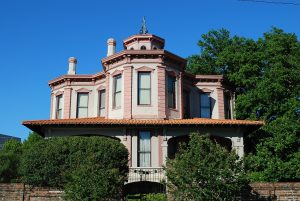
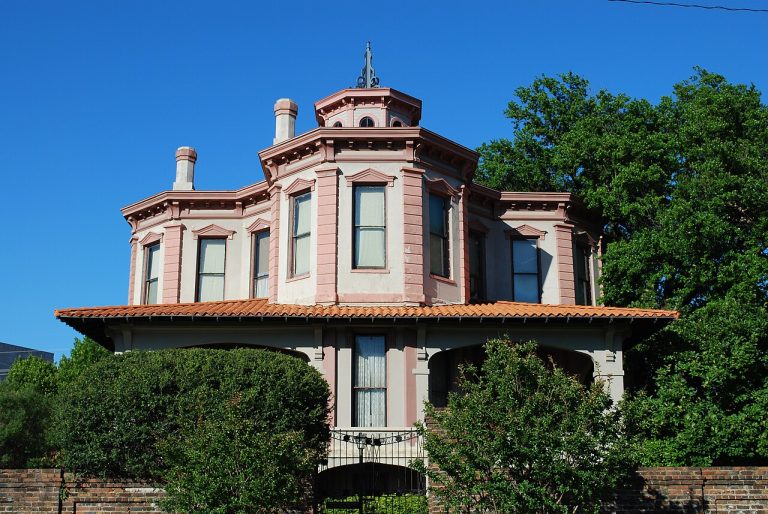
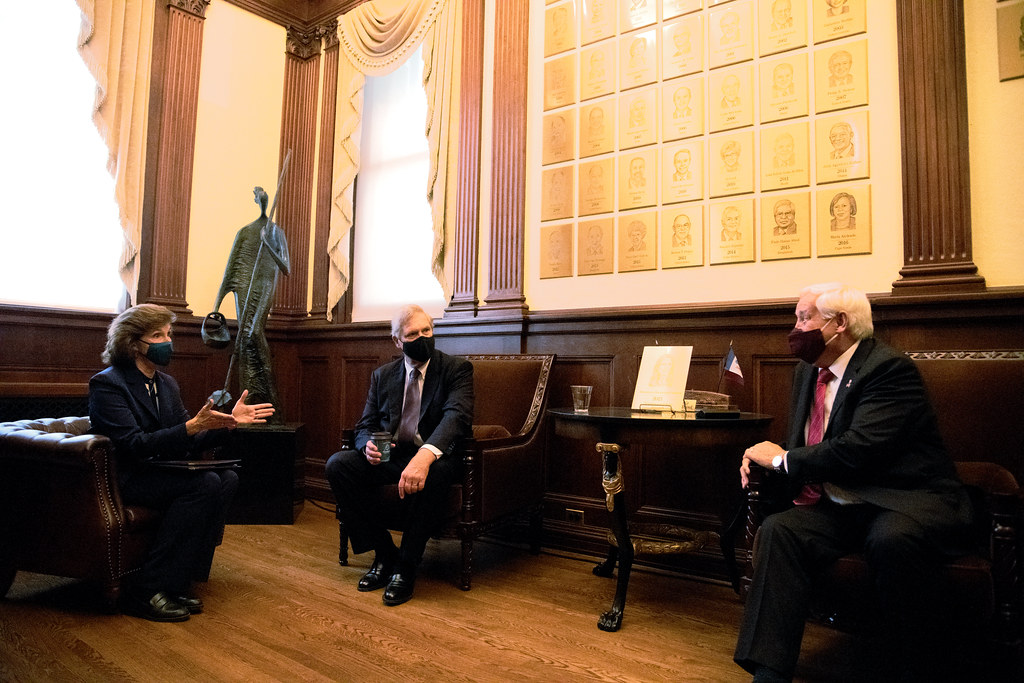
When you step through the doors, the first thing you notice is the architecture. The Hubbell Building dates to 1915, and the interior restoration is jaw-dropping — soaring ceilings, warm wood, ornate ironwork, and light that pours through tall windows overlooking the river. It feels like a cathedral, which is appropriate, because what is celebrated here genuinely matters to humanity. The building alone is worth the visit, but the exhibits are what will keep you rooted to the spot.
The permanent galleries walk you through the history of the prize and the science behind global food security. You will meet the laureates through photographs, artifacts, and personal stories that cover everything from drought-resistant crops in sub-Saharan Africa to biofortification initiatives that have brought vitamins to malnourished children across the developing world. The storytelling is accessible without being dumbed down, and it manages the rare feat of making agricultural science feel urgent, personal, and genuinely exciting.
There is a particular exhibit dedicated to Dr. Borlaug himself that stopped me cold the first time I read it. The man grew up on an Iowa farm during the Depression, and he went on to reshape the entire trajectory of human nutrition. That kind of story hits differently when you are standing in his home state.
Admission is free, which feels almost absurd given the quality of what is inside. The museum is open Monday through Friday, and the staff are knowledgeable and genuinely enthusiastic about sharing the mission. It is located at 100 Locust Street in Des Moines, easily walkable from the East Village’s restaurants and shops, so you can make a full afternoon of it.
Bring your curiosity, bring a friend who thinks they are not interested in agriculture, and watch them change their mind within fifteen minutes. The World Food Prize Hall of Laureates is one of those rare civic treasures that reminds you why Des Moines consistently punches above its weight as a city worth visiting.