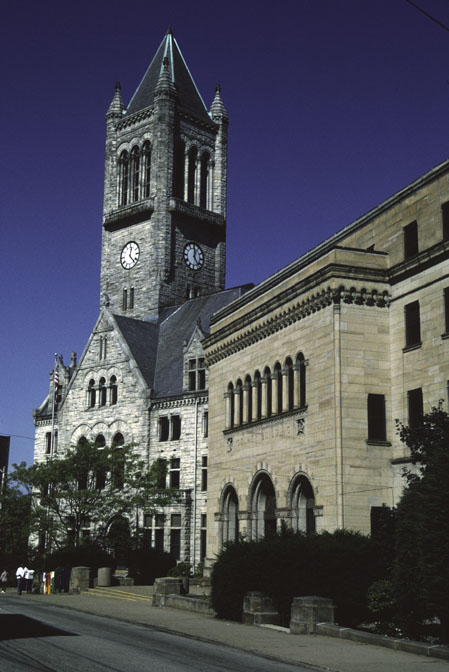
There is something quietly thrilling about walking into a building and feeling the weight of two centuries pressing gently against your shoulders. That is exactly what happens the moment you step through the doors of the Uniontown Area Historical Society, tucked into the heart of downtown Uniontown on West Peter Street. It does not announce itself with flashy signage or a gift shop full of refrigerator magnets. It simply waits — patient, confident, full of stories it cannot wait to tell you.
Uniontown has a history that most Americans have completely forgotten, and that is a genuine shame. This city was the very first incorporated borough west of the Allegheny Mountains, chartered in 1776 — the same year the Declaration of Independence was signed. Let that sink in for a moment. While the Founders were scribbling their signatures in Philadelphia, Uniontown was already drawing its own lines on the map of a new nation. The Historical Society exists to make sure nobody forgets that fact, and it does the job beautifully.
The collection housed here spans an extraordinary range of local and regional history. You will find artifacts, photographs, documents, and personal effects tied to some of the most consequential chapters in American history. Fayette County was the staging ground for the Whiskey Rebellion of 1794, and the society holds materials that bring that turbulent episode to vivid life. The region also played a pivotal role in the development of the National Road — Route 40 — the country’s first federally funded highway, which ran right through Uniontown and connected the young republic from Cumberland, Maryland, all the way to Vandalia, Illinois. The exhibits here trace that story with the kind of detail that makes history feel personal rather than academic.
Beyond the grand national narratives, the society does something equally valuable: it preserves the intimate, human-scaled stories of the families who built this corner of southwestern Pennsylvania. Coal miners, glassmakers, merchants, and civic leaders all find their place in the archives. Researchers and genealogists regularly make pilgrimages here to trace family lines, and the staff is knowledgeable, welcoming, and genuinely enthusiastic about helping visitors find what they are looking for.
A visit pairs wonderfully with a walk along the surrounding streets of downtown Uniontown, where you can spot architectural remnants of the city’s prosperous coal-boom era. Grab lunch at one of the nearby spots on Main Street and make an afternoon of it. Admission is modest, parking is easy, and the experience is far richer than the modest exterior suggests.
Whether you are a lifelong history lover or simply curious about the ground beneath your feet, the Uniontown Area Historical Society earns its place on any itinerary through southwestern Pennsylvania. Come ready to be surprised — and come ready to stay longer than you planned.