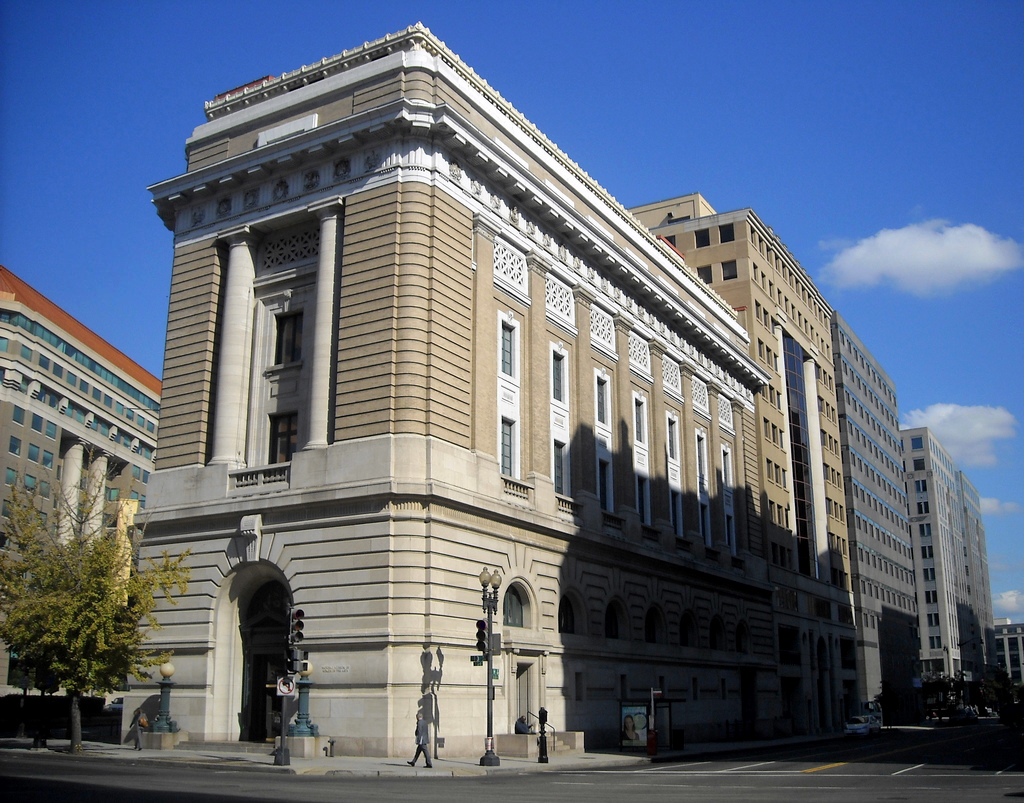
There is a particular kind of magic that happens when you walk through the grand Beaux-Arts doors of the National Museum of Women in the Arts and realize, almost immediately, that you are somewhere genuinely unlike any other museum in the world. Situated on New York Avenue NW in the heart of downtown Washington, DC, this is the only major museum on the planet dedicated exclusively to championing women artists across all centuries, cultures, and media. That distinction alone makes it worth a detour. The experience inside makes it utterly unforgettable.
The building itself sets a remarkable tone. Originally constructed in 1907 as a Masonic temple, the Renaissance Revival structure was transformed into a museum in 1987 through the vision of founders Wilhelmina and Wallace Holladay, who spent decades collecting overlooked masterworks by women artists at a time when the art world paid them precious little attention. Today, the collection encompasses more than 5,500 works by over 1,000 artists spanning five centuries, from 16th-century Dutch Golden Age painter Clara Peeters to contemporary powerhouses like Kara Walker and Alma Thomas.
Walking the galleries feels like a long-overdue correction to art history. On a recent visit, I lingered in front of Mary Cassatt’s intimate domestic scenes, then found myself genuinely stopped in my tracks by Frida Kahlo’s Self-Portrait Dedicated to Leon Trotsky — a piece of such commanding presence that the room around it seemed to go quiet. The museum rotates special exhibitions throughout the year alongside its permanent collection, so there is always something fresh to discover, whether it is a solo retrospective of a living sculptor or a deep dive into mid-century photography.
The Great Hall on the main floor deserves its name. With soaring gilded ceilings, elaborate balconies, and marble floors, it doubles as one of the most beautiful event spaces in the city, though on a regular museum afternoon it simply serves as a spectacular first impression. The mezzanine library and research center, open to scholars and curious visitors alike, adds an intellectual depth you rarely find in a single visit.
Plan to spend at least two hours here, though many people find themselves staying longer. The museum shop is thoughtfully curated, stocking art books, prints, and gifts that you will not find duplicated at every other DC souvenir stand. And the café is a pleasant spot to pause and reflect before returning to the galleries for one more pass through rooms that have a way of staying with you long after you leave.
Admission is affordable, the neighborhood is easy to navigate by Metro (Metro Center is a short walk), and the museum is open Tuesday through Sunday. If you care about art, about history, or about experiencing Washington beyond the obvious monuments, this is a stop that genuinely delivers — every single time.