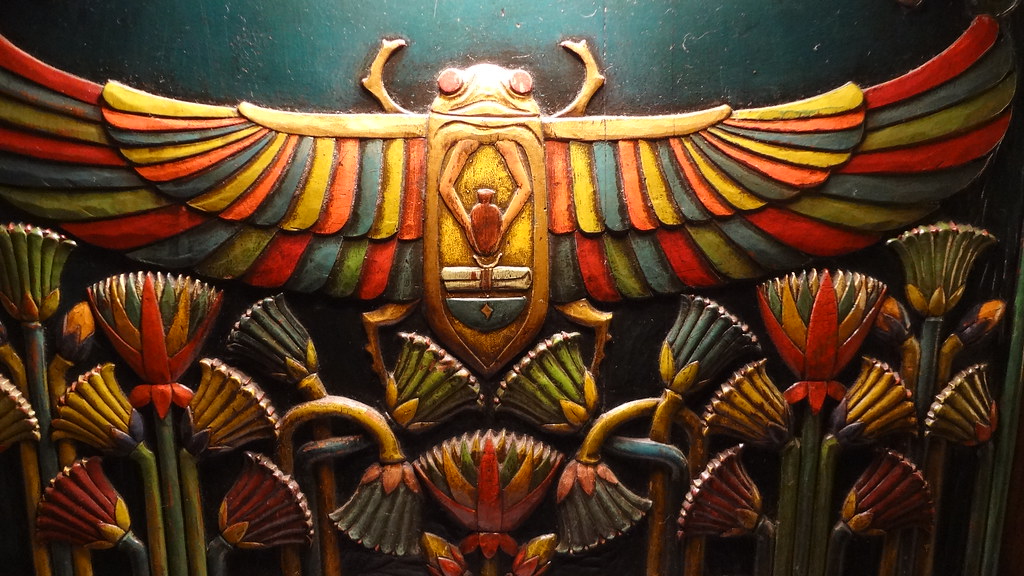
There is a building tucked into the cultural corridor of Midtown Detroit that most visitors walk right past, and every time I think about that, it stings a little. The Scarab Club, a low-slung, warm-brick Arts and Crafts building sitting quietly across from the Detroit Institute of Arts on Farnsworth Street, has been the heartbeat of Detroit’s fine arts community since 1907. It is not a place that shouts for your attention. It earns it.
Founded by a group of painters, architects, illustrators, and sculptors who wanted a proper gathering place for working artists, the Scarab Club has spent well over a century doing exactly what it set out to do: nurturing creativity, hosting exhibitions, and keeping the conversation about art alive in this city. Walk through the front door and you are immediately in the company of that history. The interior is rich with character — dark wood beams, a fireplace lounge where members have argued about aesthetics for generations, and walls hung with original artwork at every turn.
What makes the Scarab Club genuinely special is the Great Hall. This two-story exhibition space hosts rotating shows throughout the year, featuring both emerging Detroit-area artists and established names. The quality is consistently high, and the scale feels intimate in the best way — you can actually spend time with a painting here, reading it slowly, without feeling rushed by crowds. Admission is typically free or modestly priced for exhibitions, which makes the Scarab Club one of the most rewarding and underutilized afternoons you can spend in Detroit.
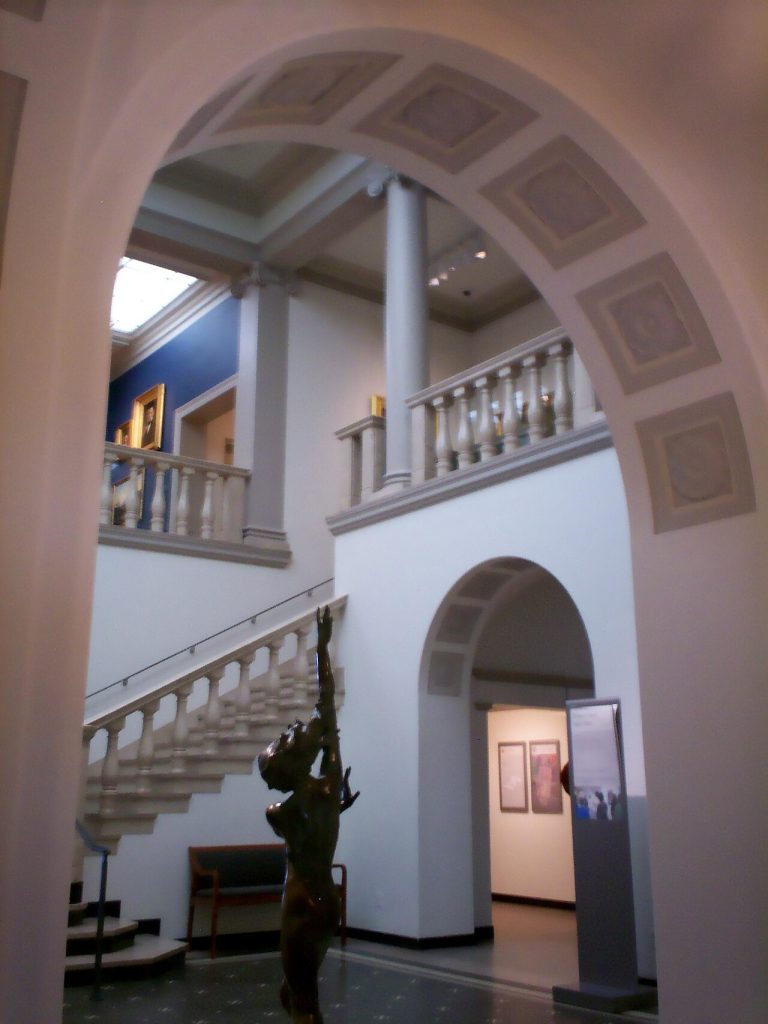
The building itself is worth the visit as a work of art. Look up at the exposed timber ceiling. Notice the wrought-iron fixtures and the handmade quality of nearly every surface. The club was designed with the sensibility that beautiful surroundings produce better thinking, and nearly 120 years later, that philosophy still feels present in the air.
Throughout the year, the Scarab Club hosts member shows, themed juried exhibitions, open studio events, and occasional evening programs that draw artists and curious locals together in ways that feel organic rather than programmed. The Gold Medal Show, held annually, is a particular highlight — one of the longest-running art competitions in the country, with a history stretching back to 1921.
If you are visiting Detroit and you have already penciled in the DIA — and you absolutely should — give yourself an extra hour and cross the street. The Scarab Club is not an afterthought. It is, in many ways, the reason so much of Detroit’s visual art culture has survived and continued to flourish. It is a living institution, and walking through it feels less like visiting a landmark and more like being welcomed into an ongoing conversation that started long before you arrived and will continue long after you leave.
Midtown Detroit has no shortage of cultural destinations, but the Scarab Club occupies a category all its own. It is serious without being stuffy, historic without feeling preserved in amber, and deeply, unapologetically Detroit.