There is a particular moment, somewhere between ducking into a tiny gallery and catching the smell of fresh espresso drifting out of a century-old storefront, when the Bishop Arts District stops feeling like a neighborhood and starts feeling like a conversation. It is the kind of place that pulls you in slowly, then refuses to let you leave before you have eaten something wonderful, bought something you did not know you needed, and talked to at least three strangers who felt instantly like old friends.
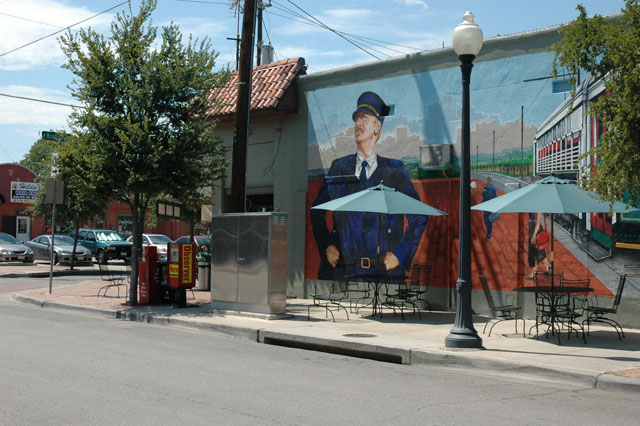
Bishop Arts sits in the Oak Cliff neighborhood of Dallas, just south of the Trinity River and a short drive or DART ride from downtown. The district is compact enough to cover entirely on foot — roughly two dozen blocks anchored by Bishop Avenue and Davis Street — which means you can actually linger, backtrack, and get delightfully lost without ever needing to move your car. That walkability alone sets it apart from much of the city, and it gives the whole place an almost village-like rhythm that Dallas does not always get credit for possessing.
What brings people here, first and foremost, is the sheer density of independent businesses. There are no chain restaurants elbowing for space, no predictable retail anchors. Instead, you get Oddfellows, a beloved all-day café where the breakfast sandwich is genuinely worth planning a morning around. You get Emporium Pies, whose buttermilk chess pie has earned a devoted following that borders on religious devotion. Down the block, Paradiso serves up elevated Mexican-inspired dishes in a setting that somehow manages to feel both neighborhood casual and special-occasion worthy.
The shopping is equally personal. Curiosities and Oddities fills its shelves with exactly what the name promises. Ten Thousand Villages offers fair-trade handcrafts from artisans around the world. Local clothing boutiques, candle shops, and record stores are tucked into storefronts that still carry the original pressed-tin ceilings and worn hardwood floors of buildings dating back to the 1920s. It is that architectural texture — real, unrestored, genuinely old — that gives Bishop Arts its authenticity. Nothing here was built to look historic. It simply is.
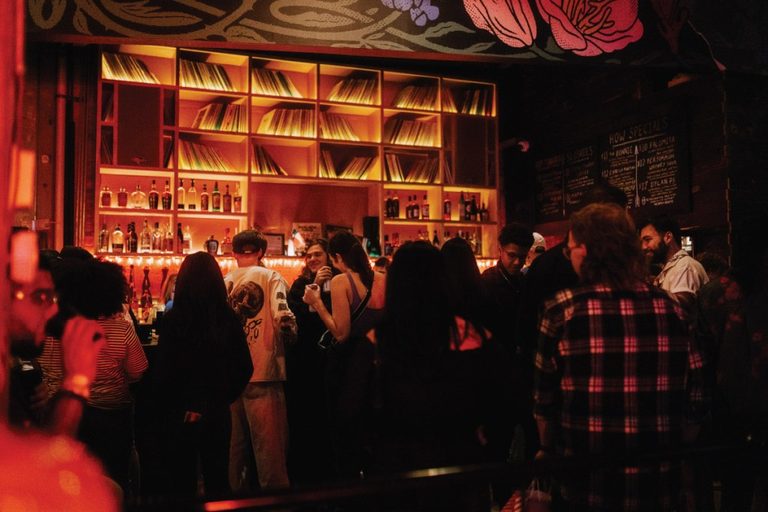
In the evenings, the energy shifts beautifully. String lights flicker on, restaurant patios fill up, and the sidewalks take on the gentle buzz of a neighborhood that knows how to have a good time without trying too hard. Catch live music spilling out of a bar doorway, or simply grab a glass of wine and a seat outside, watching the foot traffic drift past.
If you want to understand what makes Dallas more than glass towers and freeways, Bishop Arts is the place to start. Come on a Saturday afternoon, wear comfortable shoes, and give yourself at least three hours. You will almost certainly stay longer.